Shop Now New Bras Undies Lingerie Fit Blog
×

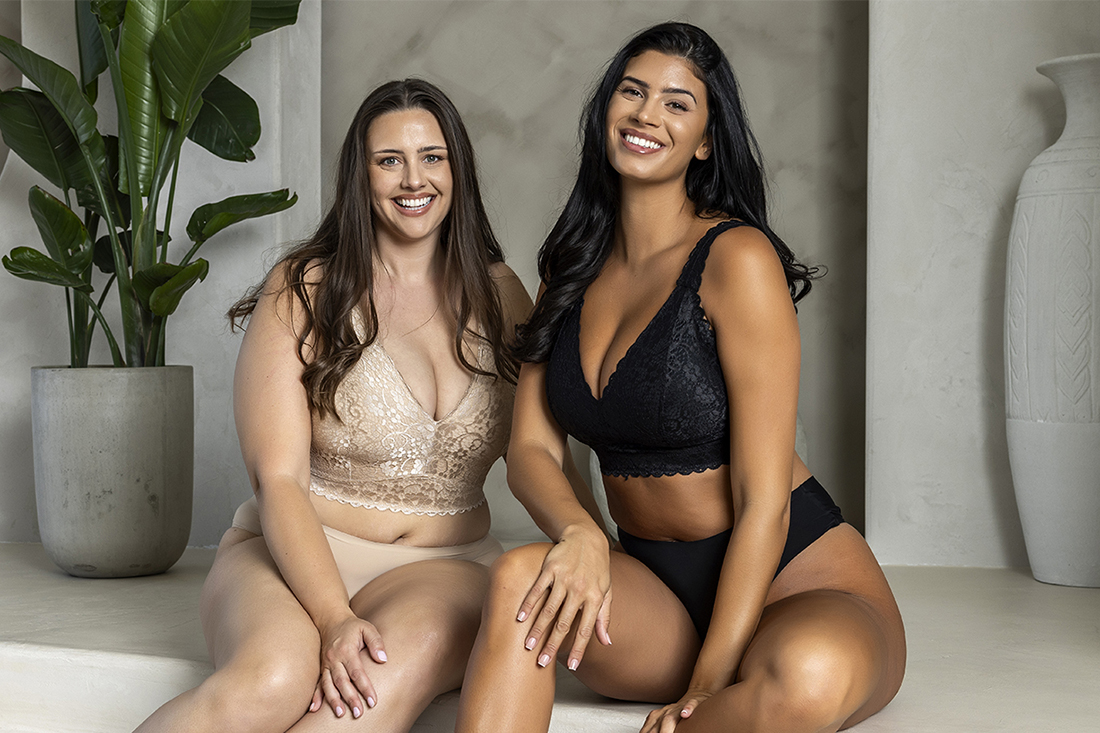
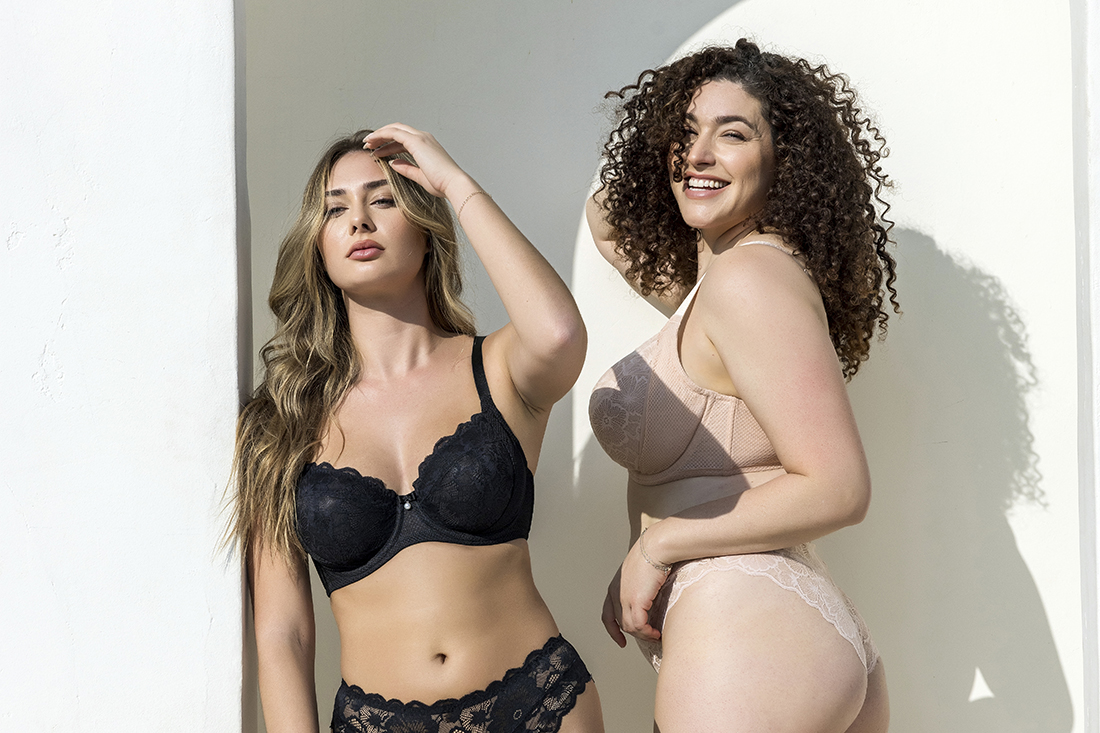
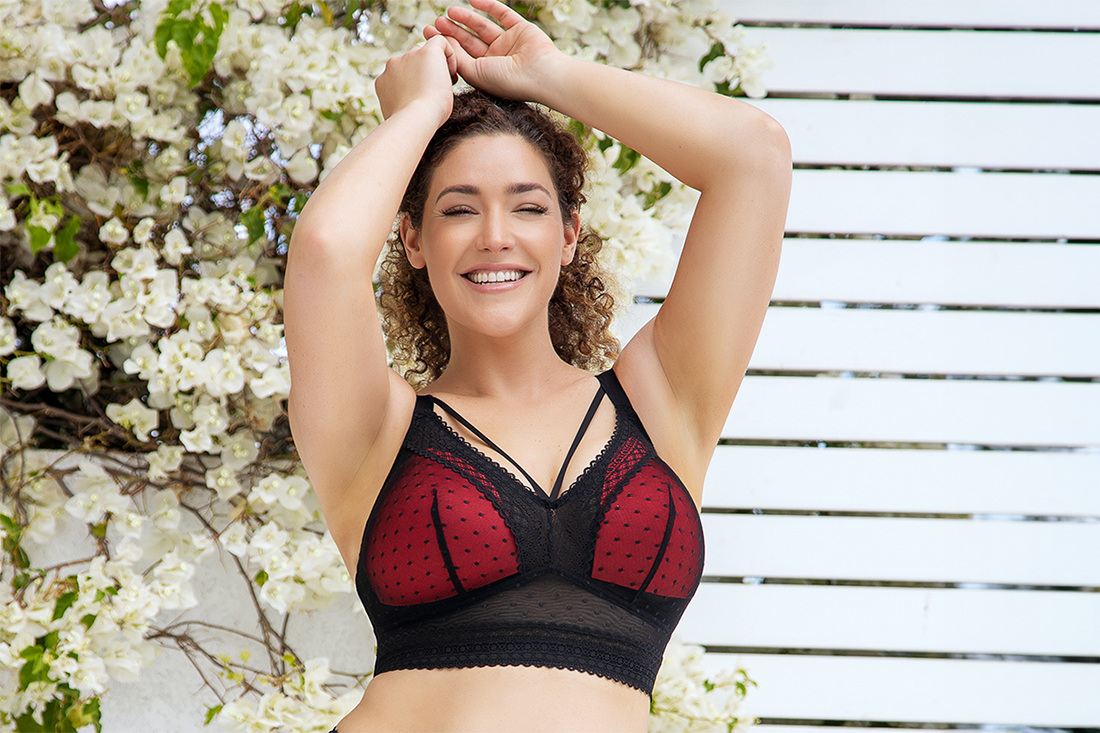
The False Choice Between “Sexy” and “Supportive” in Plus Size Lingerie

For a long time, plus size lingerie was designed around one of two assumptions. Either it was built for pure function — thick straps, full coverage, industrial-strength construction — with no consideration for how it made the wearer feel aesthetically. Or it gestured toward sexiness through marketing imagery without delivering the underlying support that makes wearing lingerie actually enjoyable.

Neither approach serves anyone well. Function without sensuality produces lingerie that feels like a task rather than a pleasure. Sensuality without support produces lingerie that looks appealing on a hanger and falls apart the moment you put it on — bras that do not lift, panties that roll or bind, fabrics that feel scratchy or cheap against the skin.

The good news is that this is a false choice. Sensuality and support are not in competition. A bra that holds you correctly can feel luxurious. Fabric chosen for its feel against the skin can also be technically excellent. And when both are present — when you put on lingerie that looks beautiful and fits beautifully — the effect is confidence in a way that neither quality alone can create.

What Makes Lingerie Feel Sensual

Sensuality in lingerie comes from a few distinct sources:

Fabric and texture: Lace, mesh, and silk-smooth fabrics feel different against the skin than cotton or heavy microfiber. Softness and drape are physical sensations, not just visual ones. Lingerie that feels good to wear creates a different relationship with your body than lingerie that feels merely functional.

Silhouette and lift: The shape that lingerie creates matters. When a bra lifts and positions the bust in a way that reads as intentional, it changes your posture and how you hold yourself. That physical shift contributes to a feeling of being put-together and attractive.

Aesthetic design: Color, lace pattern, and the proportion of the pieces all signal something. A carefully designed piece communicates that thought and care went into it — that it was made to be worn and appreciated, not just to cover the body.

Confidence: Ultimately, the most sensual element of any lingerie is the confidence it generates in the wearer. That confidence comes from the intersection of all of the above — and it cannot exist without fit.

What Makes Lingerie Supportive at Plus Sizes

Support in plus size lingerie is achieved through specific structural elements. Understanding what to look for helps you evaluate whether a piece will actually deliver:

Band construction: The band does approximately 80% of the lifting work in a bra. For plus sizes, this means the band needs to be wide enough to distribute the load, firm enough to resist stretching under weight, and constructed with quality elastic that maintains its recovery over time.

Cup depth and seaming: A cup that is sized to the depth of the breast — not just the projected size — prevents overflow and ensures that breast tissue is fully contained. Seamed cups that are shaped in two or more panels provide better three-dimensional structure than a single-piece cup.

Side panels: Full-figure bras often feature structured side panels that prevent breast tissue from migrating toward the underarm. This keeps the bust centered and forward, which is both more supportive and more aesthetically pleasing.

Underwire fit: The wire must match the width of the breast at its base. Too narrow and it sits on breast tissue; too wide and it does not anchor the cup correctly. A properly fitted wire is the foundation of everything else.

Styles That Deliver Both

Parfait has built its entire brand around the premise that fuller-bust and full-figure wearers deserve lingerie that is both beautiful and genuinely supportive. Several styles demonstrate what that combination looks like in practice.

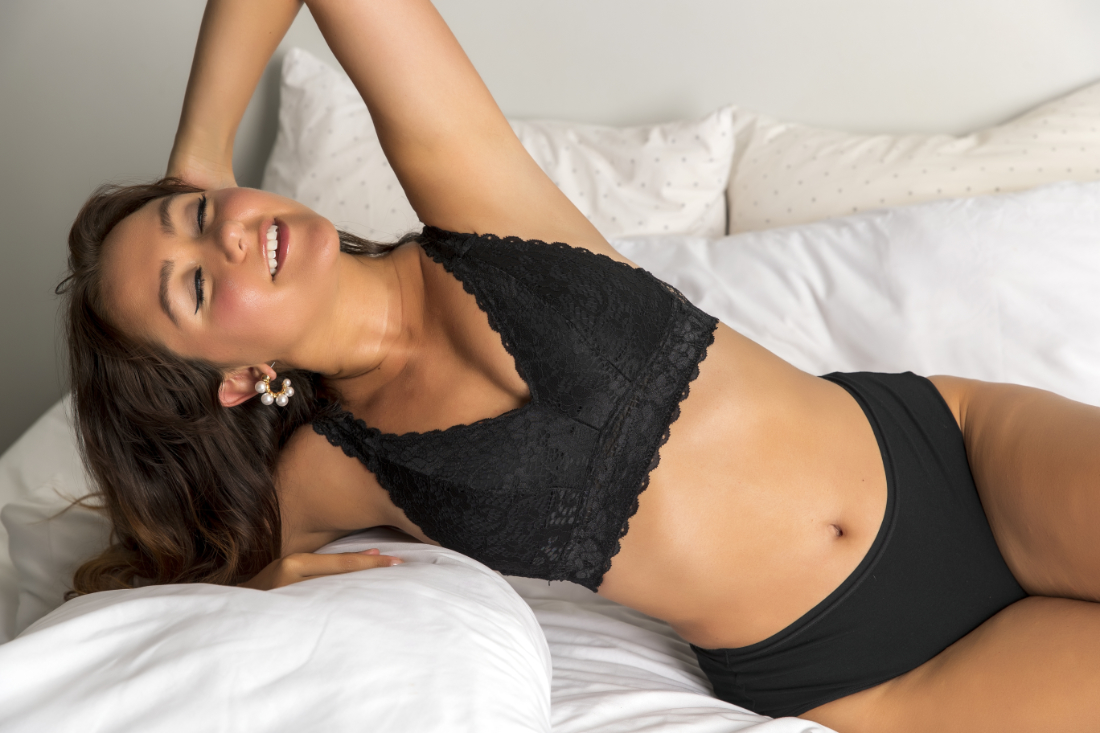
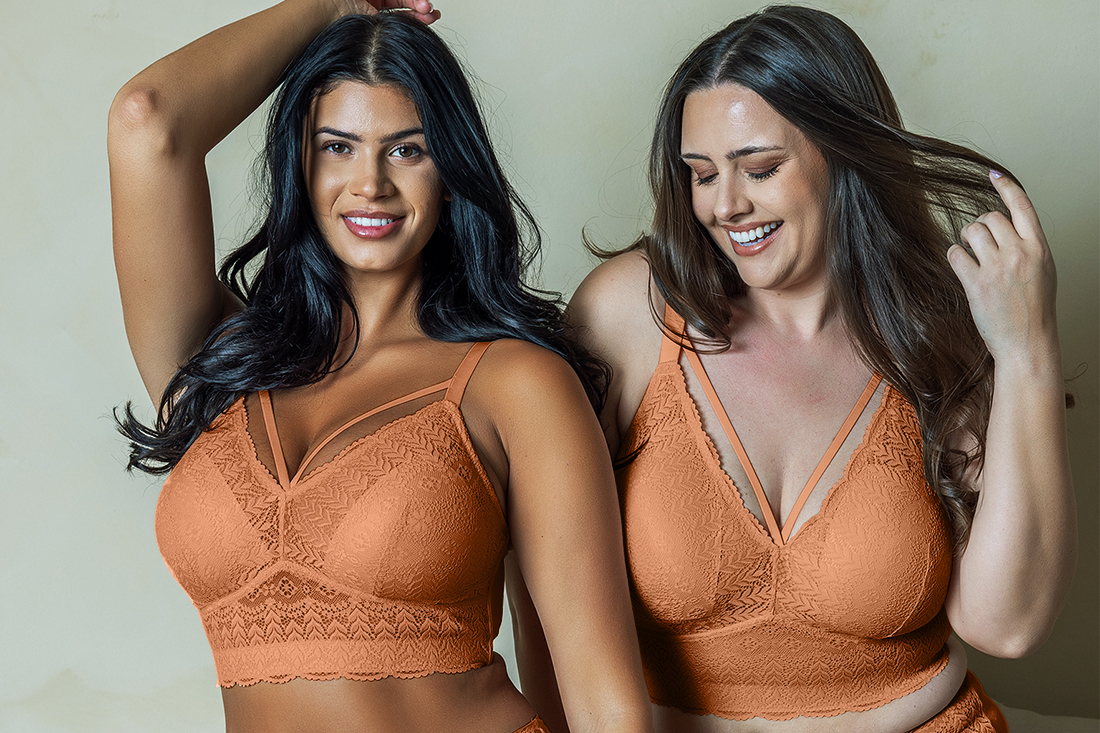
The Adriana Wire-Free Lace Bralette (P5482) is a standout. Lace construction that feels delicate and looks beautiful is paired with a wireless design that provides soft, comfortable support without underwire. For plus sizes seeking something that feels more intimate and less structural, this bralette delivers — without sacrificing the hold that makes it wearable all day.

The Luxlacy Mesh Hipster (P9005) brings delicate lace detailing to a comfortable hipster silhouette. Lace mesh at the front and sides feels luxurious against the skin while the waistband and construction keep things comfortable through a full day of wear. Paired with its coordinating bra, it creates a set that feels genuinely put-together.

The Luxlacy High-Waist Brief (P2005) takes the same lace aesthetic and translates it into a high-waist silhouette that many plus size wearers prefer for its smoothing effect through the midsection and its comfortable coverage. High-waist briefs have a long history in lingerie for a reason — they are simultaneously supportive and visually elegant.

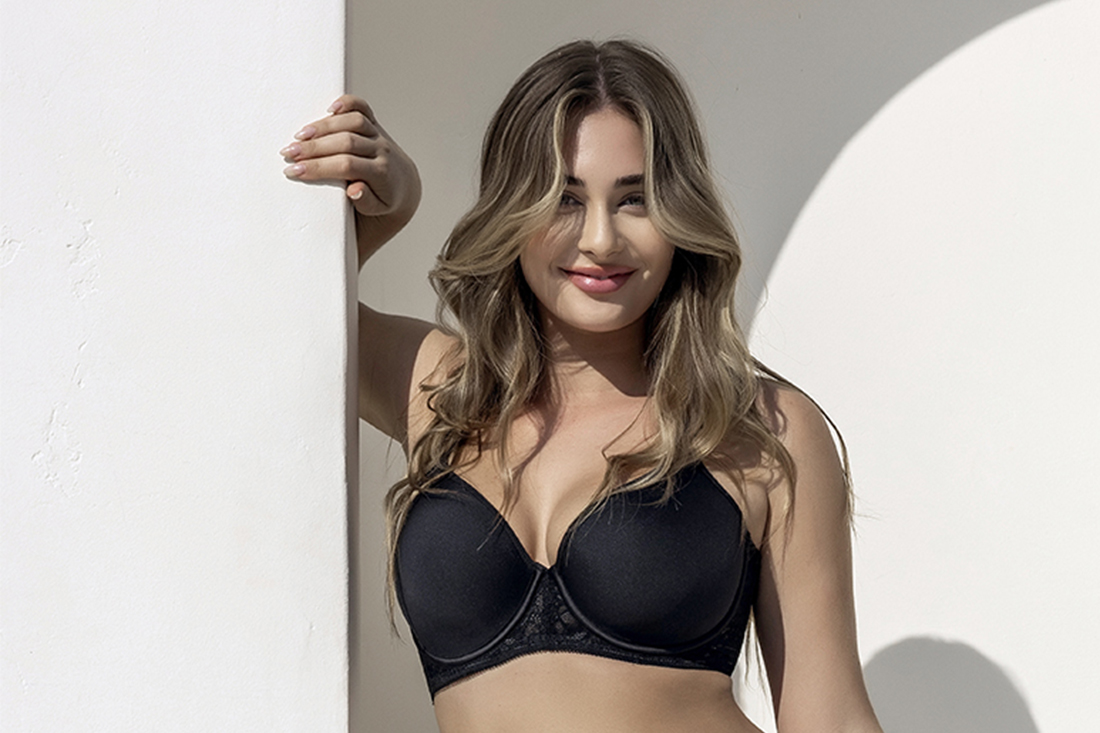
The Charlene Balconette Bra (P5000) is a bra that feels special every time you put it on. The balconette silhouette creates a lifted, round shape that is associated with classic lingerie aesthetics, while the contour cup construction and wide underwire deliver full support for cups through K. This is the bra you wear when you want to feel beautiful and held at the same time.

The Olivia Plunge Bra (P4000) adds a plunging silhouette to the mix — a cut that reads as intentionally sensual while the multi-part seamed cup and strong band do the structural work. Unlined cups allow the natural shape of the breast to show, which many wearers find more intimate and aesthetically pleasing than a padded silhouette.

How to Build a Lingerie Drawer That Makes You Feel Both Beautiful and Held

Building a lingerie collection that works is less about having a lot of pieces and more about having the right ones. A few principles:

Start with fit. Every other consideration — fabric, style, color — is secondary to a bra that fits correctly. Use a sizing tool to confirm your measurements and be willing to try sizes you have not worn before. Many people shopping in extended sizes are wearing a band that is too loose or a cup that is too small.

Invest in a few really good bras rather than many mediocre ones. Two bras that fit perfectly and feel beautiful to wear are more valuable than eight bras that you reach for reluctantly.

Include at least one truly sensual piece. Whether that is a lace bralette, a matching set, or a balconette bra in a color you love, having something in your drawer that feels like a deliberate aesthetic choice changes your relationship with getting dressed.

Choose panties that feel as good as they look. Comfort and sensuality are not mutually exclusive. A well-constructed panty in a beautiful fabric, in a size that actually fits, feels luxurious precisely because it is not cutting or rolling or pulling.

Replace pieces when they stop fitting well, not just when they fall apart. Elastic stretches out and underwire shifts over time. A bra that once fit perfectly may gradually lose its support. Paying attention to how your lingerie fits — not just how it looks — is part of treating yourself well.

Explore the Collection at Parfait

Parfait was built on the belief that every woman deserves to feel totally supported — on the inside and out. Visit parfaitlingerie.com to explore the full range of bras and lingerie in bands 28 to 42 and cups through K, with panties in sizes small through 3XL. Use the Fit Fix sizing tool to find your size, and discover what it feels like to wear lingerie that was made for a body like yours.

The Daily Frustration No One Talks About Enough

You know the feeling. You find a gorgeous pair of high-waist panties, they look incredible when you first put them on, and you feel like you’re ready to conquer the day. Then, about two hours in, the waistband has rolled down, the fabric has bunched, and you’ve spent the entire morning tugging at your waistband under your clothes.

This is one of the most common complaints among people who wear plus size underwear, and honestly, it’s one of the most frustrating. High-waist styles are supposed to offer coverage, comfort, and a smooth silhouette. When they roll down, they deliver none of those things. The good news? The rolling is almost never your fault. It’s a design and fit issue — and once you know what to look for, it’s entirely solvable.

At Parfait, we hear this concern often, and it’s one we take seriously. Here’s a deep dive into why high-waist panties roll, what construction actually prevents it, and which styles are built to stay right where they belong all day long.

Why High-Waist Panties Roll Down: The Real Culprits

Rolling is almost always a construction or fit problem — sometimes both. Here are the most common reasons it happens:

Elastic that’s too tight. Counterintuitive but true: overly tight elastic at the waistband actually causes rolling. When the band grips the body harder than the fabric beneath it can stretch, the top edge curls inward and folds down. A waistband that sits comfortably — snug without digging — is far more stable than one that’s fighting your body.

Wrong fabric composition. Fabrics that lack adequate stretch-recovery — meaning they stretch but don’t spring back reliably — will sag and roll over the course of a day. Look for blends that include a good percentage of elastane (spandex). This gives the fabric the memory it needs to hold its shape through movement.

Rise that doesn’t suit your body. “High-waist” isn’t one universal measurement. A pair labelled high-waist may hit at your natural waist beautifully, or it may sit awkwardly above or below it depending on your torso length. When the rise doesn’t match your body, the waistband has nowhere secure to anchor — and rolling is the result.

Too-narrow waistband. Thin waistbands have very little surface area to grip and distribute tension. Wide waistbands spread load across more fabric, which keeps them far more stable against the body.

Incorrect size. Sizing up or down from your true size changes the way the waistband interacts with your waist and hips. Even a size too large can cause rolling — the extra fabric has nothing to hold onto.

Construction Details That Prevent Rolling

When you’re shopping for high-waist panties that will genuinely stay put, these are the construction features worth prioritizing:

Wide, structured waistband. A waistband that spans two or more inches across the waist distributes tension evenly and resists the urge to fold. Look for waistbands that feel substantial — not just a strip of elastic.

Bonded or laser-cut edges. Bonded edges eliminate stitched seams along the waistband edge, creating a smooth, flat finish that lies flush against skin rather than curling away from it. This is one of the most effective anti-roll technologies in underwear construction.

Soft, high-recovery fabric. Fabrics with good recovery snap back to shape after each step and each movement. Microfiber and modal blends with elastane are excellent choices for this.

Full-coverage design. Panties with more fabric coverage — particularly across the seat and belly — have more surface area making contact with your body. This anchors the waistband more effectively than minimal-coverage styles.

Correct fit for your rise. A panty whose rise genuinely sits at or above your natural waist has a stable anchor point. Styles that almost hit your natural waist but not quite are at the greatest risk of rolling.

Styles That Are Built to Stay

Parfait offers several high-coverage panty styles that are designed with exactly these construction principles in mind. Each one is made to provide real, lasting coverage throughout the day.

The Luxlacy High-Waist Brief (P2005) is a standout option for anyone who loves a little elegance with their coverage. This style pairs a pretty lace construction with a genuine high-rise silhouette that’s designed to sit comfortably at the natural waist. The lace used in this brief is soft and stretch-responsive, meaning it moves with you rather than fighting you. The wide waistband provides excellent anchoring, and the full-coverage back keeps the panty in place front and back throughout the day. Available in sizes S–3XL, it’s built for real bodies with a wide range of proportions.

If you prefer something softer and more casual for everyday wear, the Cozy Brief (PP5032) lives up to its name. This brief is made from a beautifully soft fabric that feels gentle against skin all day. The waistband is smooth and wide enough to distribute pressure comfortably, and the full-coverage design means there’s plenty of fabric keeping the panty anchored in place. It’s the kind of underwear you put on in the morning and forget about — in the best possible way. The Cozy Brief also comes in a range of sizes to accommodate fuller figures, and it’s a reliable everyday choice whether you’re at a desk, on your feet, or running errands.

For a sleeker, barely-there feel that still offers anti-roll performance, consider the Bonded French Cut (PP5031). The bonded construction is the key feature here — the edges are finished in a way that eliminates rolled seams and creates a flat, flush fit against the body. French cut panties sit higher on the hip, which can actually be a strategic advantage for some body shapes: if you find a standard brief waistband sits awkwardly, a French cut waistband may follow your natural curves more comfortably. The bonded finish ensures that smooth, flat edge stays exactly where you put it.

Finding Your Correct Size in High-Waist Styles

Sizing into high-waist panties is slightly different from sizing into regular briefs or hipsters, because the fit needs to work across two measurement points: your hips and your natural waist. Here’s how to approach it:

Measure both your hips and your natural waist. Your natural waist is the narrowest part of your torso, usually an inch or two above your belly button. If a brand’s size chart shows waist measurements alongside hip measurements, use both to find your fit.

When measurements fall between sizes, size up. Extra fabric at the waist is far less noticeable than a waistband that’s fighting your body — and it’s much less likely to roll.

Check the rise measurement. Some brands list the rise of their high-waist styles. If you have a longer torso, look for a deeper rise. If you’re petite in the torso, a slightly shorter high-waist rise may actually suit you better.

Try Parfait’s Fit Fix tool. The Fit Fix sizing tool on parfaitlingerie.com is designed to help you find the right size across Parfait’s panty range, taking your measurements into account rather than relying on generic sizing alone.

It’s also worth noting that different styles within the same size may fit a little differently depending on the fabric and construction. Once you find a Parfait panty style that works beautifully for your body, note the style number and come back to it. Consistency in style as well as size is the real key to underwear that stays put.

Ready to Find Your Perfect Fit?

High-waist panties should feel like a second skin — secure, smooth, and completely comfortable from morning to night. Rolling, bunching, and folding are signs of a design or fit problem, not a body problem. The right pair of high-waist panties for your shape exists, and Parfait is built around finding it for everyone.

Explore the full range of panty styles — including the Luxlacy High-Waist Brief, Cozy Brief, and Bonded French Cut — at parfaitlingerie.com. Use the Fit Fix tool to dial in your size, and discover underwear that’s engineered to stay exactly where you put it — all day, every day.

The Very Real Problem of Latex Allergies and Lingerie

For most people, buying a bra is already complicated enough. For anyone with a latex allergy, it adds an invisible layer of risk to every purchase. Latex allergies range from mild skin irritation — redness, itching, hives — to more serious systemic reactions, and the problem is that latex can hide in places you would never think to look on a garment. Lingerie is one of the more likely culprits, because elastic and grippy materials are central to how bras work.

If you also wear a fuller-bust or extended size, the challenge compounds. Finding bras that fit well in bands 30 to 42 and cups D through K is already a search that requires patience. Finding bras in those sizes that are also latex-free requires knowing exactly what to look for — and knowing which brands have built their products with materials that are genuinely safe for allergy-sensitive skin.

This guide breaks down where latex hides in bras, what to look for on a label, and which Parfait Lingerie styles are strong candidates for latex-sensitive wearers in extended sizes.

Where Latex Hides in Bras

Latex is not listed as a named ingredient the way food allergens are, which makes it harder to identify at a glance. Here are the places it typically appears in bra construction:

Elastic in the band and straps. Traditional elastic often contains natural rubber latex as part of its core. This is the most common source of bra-related latex exposure.

Underwire casing. The fabric channel that holds the underwire in place is sometimes treated with rubberized coatings or made from materials that contain latex. This sits directly against the underband, which presses against your ribcage all day.

Rubberized grip strips on strapless bras. Many strapless and bandeau-style bras use a silicone or rubber grip along the top edge to keep the bra from slipping. Some of these grips use natural rubber latex rather than synthetic silicone.

Decorative elastic trims. The narrow elastic used for decorative edging — often seen around the cups or along the band — can also contain latex, especially in lower-cost construction.

What to Look for on a Label

When reviewing the fabric content of a bra, pay attention to these distinctions:

Spandex and elastane are synthetic alternatives to natural rubber latex. They provide stretch without the proteins that trigger latex allergies. If the label lists “nylon/spandex” or “polyamide/elastane,” that is a good sign.

Silicone grip is different from rubber grip. Silicone is a synthetic material and does not contain natural rubber latex. A strapless bra with a silicone grip strip is generally safer for latex-allergic wearers than one with a rubber grip.

Look for “natural rubber” or “rubber” in the content list, which can indicate latex presence. However, because latex can appear in small percentages or in trim materials that are listed separately, contacting the brand directly is the safest approach when you have a confirmed latex allergy.

It is also worth noting that latex allergies can be contact-based, meaning the reaction happens where the material touches skin, or systemic, meaning the immune system reacts even to small exposures. If you have a confirmed severe latex allergy, always consult your doctor before trying new garments and consider requesting a swatch sample before wearing a new bra for a full day.

Parfait’s Construction Approach

Parfait Lingerie builds its bras predominantly from nylon and spandex — both synthetic materials that do not contain natural rubber latex. This construction approach is consistent across the brand’s core lineup, which makes Parfait a reasonable starting point for latex-sensitive shoppers in extended sizes.

For its strapless styles, Parfait uses a silicone grip rather than a rubber grip. The silicone strip on styles like the Elissa Bustier runs along the interior top edge and provides hold without relying on natural rubber materials.

As always, if you have a confirmed latex allergy, contact Parfait’s customer service to verify the materials in any specific style before purchase. Fabric compositions can vary slightly between styles and production runs, and a direct confirmation from the brand is the safest step.

Recommended Styles for Allergy-Sensitive Wearers

These Parfait styles are strong candidates for latex-sensitive shoppers based on their nylon/spandex construction and design features that minimize unnecessary trim materials:

Emily Unlined T-Shirt Bra (P7800) — A clean, minimal construction with nylon and spandex fabric and no decorative lace or rubberized trim. The unlined cups and simple silhouette mean fewer materials overall, which is ideal when you are trying to reduce potential allergen exposure. Available in extended sizes up to a K cup.

Holly Wire-Free Padded Bra (P8000) — The Holly removes underwires from the equation entirely, eliminating the underwire casing as a potential latex source. The seamless, padded cup construction uses a minimal material palette. For anyone whose latex sensitivity is localized to the underband area, wire-free styles like this one are worth considering.

Bliss Spacer T-Shirt Bra (P7000) — The Bliss uses a spacer foam cup, which is a 3D knitted fabric that creates a smooth shape without multiple layers of material. Spacer fabric has a breathable, open structure and a straightforward composition that tends to be well-tolerated by sensitive skin.

Simplicity Wire-Free Bra (P2400) — Another wire-free option, the Simplicity prioritizes comfort and ease above all else. Its clean construction and soft fabrics make it a low-irritant choice for everyday wear. Available in extended sizes.

Tips for Confirming a Bra Is Latex-Free Before Buying

Check the full fabric content on the product page, including trim and lining materials listed separately.

Email or call the brand’s customer service with the specific style number and ask directly whether the elastic or any component contains natural rubber latex.

Request a sample swatch if the brand offers this — even wearing the swatch against your wrist for a few hours can tell you something about your skin’s reaction.

Wash the bra before wearing it. Washing removes any residual surface chemicals from manufacturing and can reduce first-wear irritation even when latex is not a concern.

Start with a shorter wear period. Rather than wearing a new bra for a full workday, try it for a couple of hours first and check for any early signs of irritation.

Keep notes. If you have found bras that have not caused reactions in the past, note the brand, style number, and fabric content. This gives you a reference point for future shopping.

Find Comfortable, Allergy-Considerate Styles at Parfait

If you are shopping for bras in extended sizes with an eye toward allergy-safe construction, parfaitlingerie.com is a strong place to start. Use the Fit Fix sizing tool to find your band and cup measurements, then explore styles like the Emily, Holly, Bliss, and Simplicity, all built with nylon and spandex construction and minimal embellishment. For confirmation on any specific style, reach out to the Parfait team directly — they can speak to the exact materials used.

Bodysuits Are Having a Moment — But Not for Larger Cups

Bodysuits are everywhere right now. Fashion-forward, sleek, and impossibly versatile, they have become a wardrobe staple for a huge range of people — and for good reason. A well-fitted bodysuit eliminates the gap between your top and pants, creates a smooth silhouette under high-waisted bottoms, and can look polished whether you are dressing for a casual lunch or a night out.

But here is the problem: if you wear a larger cup size, the bodysuit market can feel incredibly frustrating. Most mainstream bodysuits are built with fashion as the primary priority and support as an afterthought. The built-in bra functionality — if it exists at all — is typically designed for an A through C cup at most. For women in the D, E, F, or larger cup range, these garments offer little to no real support, and attempting to wear a separate bra underneath a bodysuit creates its own fitting challenges.

The question of wire-free support adds another layer of complexity. Many larger-cup wearers rely on underwire for day-to-day structure, and the idea of a wire-free bodysuit offering comparable support can seem implausible. But it does not have to be. Understanding what actually makes a wire-free bodysuit supportive — and what does not — is the key to finding one that genuinely works.

What Makes a Wire-Free Bodysuit Actually Supportive at Larger Cup Sizes

Support in a wire-free garment does not come from the wire itself — it comes from the construction around it. A well-engineered wire-free bodysuit distributes the load across multiple structural elements so that no single part is doing all the work. Here is what that looks like in practice:

Built-in bra construction: A genuinely supportive wire-free bodysuit has an integrated bra section with its own cup panels, lining, and shaping. This is fundamentally different from a shelf bra — it is a real bra built into the garment. Look for multi-part cups with vertical or horizontal seams, which create projection and shape without relying on a wire.

Side panels: Wide side panels in firm, stretch-resistant fabric are one of the most important structural elements in a wire-free design. They anchor the cups to the torso, prevent the garment from riding up, and provide lateral support that replicates some of the holding power of an underwire.

Fabric tension and composition: The fabric itself matters enormously. Power mesh, bonded fabrics, and high-elastane blends all provide varying degrees of tension and recovery. A bodysuit made from flimsy fabric will stretch out quickly and lose its supportive function; one made from structured, resilient fabric will maintain its shape over the course of a full day.

Band at the base: A wide, firm band at the bottom of the bodysuit — equivalent to the underband of a bra — is critical. This band is where the majority of support in a good wire-free design originates. It should feel snug (not tight) and sit flat against your torso without rolling or twisting.

Fashion Bodysuit vs. Support Bodysuit: Know the Difference

Not all bodysuits are created equal, and the distinction between a fashion bodysuit and a support bodysuit matters a great deal for larger cup shoppers. A fashion bodysuit is designed primarily for visual effect — it might have a built-in shelf bra or light padding, but its primary job is to look good, not to provide structural support. For smaller cup sizes, this is often sufficient. For larger cups, it is not.

A support bodysuit, by contrast, is engineered first and foremost for function. The cup construction is intentional and robust. The side panels are reinforced. The fabric is chosen for its recovery properties as much as its appearance. These garments are harder to find, particularly in wire-free styles, but they exist — and they can genuinely change how a bodysuit feels to wear for a full-cup shopper.

The easiest way to tell them apart in an online shopping context: read the product description carefully. Fashion bodysuits will emphasize aesthetics — drape, color, neckline. Support bodysuits will mention cup construction, lining, band width, and fit notes specific to bust size. If those details are absent, you are likely looking at a fashion piece that will not provide what you need.

What to Look for When Shopping Wire-Free Support Bodysuits in Plus Sizes

If you are shopping for a wire-free bodysuit in a plus size, there are a few specific things to look for beyond the general principles above:

Adjustable straps: Non-adjustable straps are a dealbreaker for larger cup sizes. Strap length directly affects how the cups sit on your bust and where the support is distributed. Adjustability gives you the ability to fine-tune the fit to your body.

Cup sizing (not just S/M/L): A bodysuit that lists cup size alongside band or overall sizing is a strong indicator that the manufacturer has thought seriously about fit. Generic S/M/L sizing in a support bodysuit often masks the fact that the garment was not designed with larger cups in mind.

Closures: Snap closures at the gusset are standard, but the quality of these closures matters. Look for reinforced plastic snaps or hook-and-eye closures that will withstand daily wear without popping open.

Stretch and recovery: Check fabric composition for a high percentage of elastane or similar stretch fiber alongside a firm, structured outer layer. This combination provides the flexibility to move comfortably while maintaining shape throughout the day.

Parfait’s Wire-Free Expertise: A Foundation for Understanding Support Without Wire

One of the best ways to develop your own understanding of what wire-free support can feel like — before you commit to a bodysuit — is to experience it in a standalone bra first. Parfait Lingerie has built a reputation specifically around making wire-free options that work for larger cup sizes, and exploring their wire-free bra range gives you a direct sense of what genuine structure without underwire feels like on your body.

The

The

And for those drawn to a softer, more relaxed approach to wire-free support, the

Tips for Styling a Supportive Bodysuit

Pair with high-waisted bottoms: High-waisted trousers, skirts, and jeans work in harmony with a bodysuit’s silhouette, providing a clean line from bust to hip. This styling choice also adds a second layer of security at the waist, which can be helpful for keeping the bodysuit in place.

Layer strategically: A wire-free bodysuit can serve as a layering piece under an open blouse or jacket, allowing you to show the neckline and strap details while using the outer layer for additional coverage or warmth.

Check coverage at the neckline: Before purchasing, confirm that the cup depth of the bodysuit will actually contain your bust at the neckline you are considering. Plunge-style bodysuits that work beautifully for a B cup may not provide sufficient coverage for larger cups — knowing your preferred neckline depth before shopping saves time.

Care and longevity: Wire-free garments rely heavily on their elastic components for support. Hand washing or using a lingerie bag in cold water extends the life of the fabric significantly. Avoid tumble drying, which degrades elastic quickly.

Explore Parfait for Wire-Free Support

Understanding what wire-free support actually feels like is the first step toward finding a bodysuit that works for your shape. Visit

The Backless Dream — And Why It’s Harder to Find in Larger Cups

Backless and low-back outfits are gorgeous. The elegant dip of a backless dress, the clean lines of a low-back gown, the effortless feel of a halter top — these are looks that deserve the confidence that comes with genuinely good support. And yet, if you wear a larger cup size, you’ve probably had the experience of holding up a beautiful backless dress and immediately wondering how on earth you’re supposed to wear it.

The honest truth is that backless solutions for larger cup sizes come with real limitations. But the situation is far better than it used to be, and there are genuine strategies that work — if you know what to look for and what to realistically expect from each option. This post walks through the full landscape, from adhesives to longlines to strapless solutions, so you can find your backless-outfit answer with clear information rather than trial and error.

The Honest Truth About Backless Adhesives in Larger Cup Sizes

Let’s start with the most widely marketed backless solution: adhesive bras. These peel-and-stick silicone cups promise to provide support without any straps or back band, and for smaller cup sizes, they can work reasonably well for short periods. For larger cup sizes — think DD and above — the picture is much more complicated.

Adhesives work through friction and suction between the silicone and skin. The support they can provide is physically limited by this mechanism. When you’re supporting a significant amount of breast tissue, you need structural support — something that resists downward gravity across the course of several hours. Adhesive cups struggle to provide this for larger busts, particularly in warm conditions, with active movement, or for extended wear.

This doesn’t mean adhesives are useless for larger cups — it means setting realistic expectations. Adhesive cups can work beautifully for short events, for sitting down, or for cool conditions when you need minimal support for a brief period. For long days, dancing, or warm weather, the adhesive solution is likely to let you down at the worst possible moment. Knowing this going in saves a lot of frustration.

If you want to try adhesive cups in a larger size, look for styles specifically marketed for D+ or larger cups, with substantial silicone depth and strong medical-grade adhesive. Test them at home before an event, and keep styling tape on hand as backup. But don’t rely on adhesives as your primary backless solution if you need reliable support for more than a few hours.

Low-Back Alternatives That Actually Provide Support

The better long-term solution for larger busts in backless or low-back outfits isn’t a strapless adhesive — it’s rethinking the back rather than eliminating it entirely. These options provide genuine structural support while exposing as much back as possible:

Longline bras. Longline bras extend below the bust band to the ribcage or midriff, distributing support across more surface area. This means a lower back strap placement — which is often low enough to be hidden by many low-back outfits. The additional coverage also provides more hooks and boning points, which translates to superior support compared to a standard band.

Convertible strap systems. Many well-made bras come with detachable, repositionable straps that can be configured in a low-back crisscross arrangement. When the straps are repositioned to cross lower on the back before fastening to the band, they stay hidden under garments with a lower back neckline. A low-back strap converter — a small attachment that links your existing bra straps to a low point on the band — can replicate this effect with your existing bras.

Deep-V or low-back convertible designs. Some bras are specifically engineered with a lower back band placement and deeper back opening. These aren’t quite as open as a fully backless outfit, but they work beautifully under garments with a back neckline that dips to the mid-back.

Strapless Bras as a Near-Backless Solution

For many low-back outfits — particularly those where the back dips to the waist rather than below — a well-engineered strapless bra is genuinely the best large-bust solution. Without straps, there’s nothing visible at the shoulders or across the back above the band. The back band itself can often be hidden by the garment’s back opening, particularly in styles cut to the mid-back or above.

The critical caveat is that strapless bras for larger cups must be engineered specifically for the job. A standard bra with the straps removed will not stay up. A genuine strapless bra for a larger bust is a structurally different product — with a wider band, additional boning, grip strips inside the band, and cups engineered to support without any downward strap tension.

The Elissa Longline Strapless Bra (P50116) is one of the most effective options in this category for larger cup wearers. The longline construction extends below the standard bra band to the ribcage, which accomplishes two things at once: it dramatically increases the surface area providing support (meaning the bra can stay up and hold its position without straps), and it naturally creates a lower back profile — the extended band sits further down the back than a standard strapless bra band, making it compatible with garments that have a somewhat lower back opening.

The Elissa’s structured cups and internal boning create a firm, supportive silhouette even for larger cup sizes, and the longline band grips securely without digging or rolling. For formal events, photoshoots, or any occasion where you need real support in a strapless or near-backless situation, this style is a genuinely reliable choice.

Styling Tricks to Minimize Visible Bra Back

Beyond your bra choice, there are several styling techniques that can help minimize how much of your bra is visible in a backless or low-back outfit:

Body tape (fashion tape or body tape). Strong body tape can be used to secure low-back garments directly to skin, which can allow you to wear a standard bra positioned lower on the back while the garment overlaps and conceals the band. Body tape also secures plunging necklines and backlines, keeping garments in place even with movement.

Low-back converters. These small, inexpensive accessories connect your existing bra’s hooks to a separate strap or clasp that attaches low on the center back. The result is that your bra straps can drop to a V shape that sits quite low — sometimes low enough to clear a moderately low-back garment entirely. These work best with standard-width straps and are most effective when paired with a bra whose cup size doesn’t require heavy strap tension for support.

Creative strap routing. Many convertible bras allow straps to be crossed, haltered, or repositioned in ways that change where they fall on the back. Halter configurations eliminate back straps entirely, though they shift tension to the neck rather than the shoulders — a consideration for larger cup sizes.

Garment-integrated support. Some backless dress and top styles have boning, structured bodices, or built-in shelf bras that provide a modest amount of support without any separate bra. For smaller busts within the fuller-figure range, these can sometimes be enough — particularly for sit-down events or shorter durations.

What to Look for in a Bra for Backless or Low-Back Outfits in Larger Cups

When shopping for any bra intended to work with backless or low-back styles at larger cup sizes, these are the non-negotiables:

Strong, wide band. The band is doing most of the work when straps are removed or repositioned. A wider band with multiple hooks distributes support more evenly and is far less likely to slip or roll.

Firm cup construction. Molded, structured, or boned cups hold their shape and provide uplift independently of strap tension. Unlined or soft cups rely heavily on straps to maintain position — they’re not the right choice for low-back outfits.

Internal grip strip. A silicone or rubberized strip inside the band grips the skin and prevents downward sliding. This is especially important for strapless styles, where there’s no strap tension keeping the bra from migrating down.

Minimal strap reliance. If you need to remove or reposition straps, choose a bra where the cups are genuinely self-supporting. Test it strapless before your event to confirm.

Correct fit. A bra that doesn’t fit perfectly is a liability in any situation — in a backless outfit, it’s a disaster. Get fitted properly and never size down in the band thinking it will hold better. A too-tight band digs, rolls, and causes discomfort that only gets worse over time.

The Right Solution Is Out There

Going backless in a larger cup size requires more planning than simply grabbing an adhesive off a shelf — but it’s absolutely achievable. The combination of the right bra engineering, smart styling techniques, and realistic expectations for each product type gives you a toolkit that works for real events and real outfits.

Explore Parfait’s strapless and longline collection, including the Elissa Longline Strapless Bra, at parfaitlingerie.com. Use the Fit Fix tool to confirm your size, and discover bras engineered to support fuller busts in every outfit — even the ones that show off your back.

Why Period Underwear in Extended Sizes Has Been So Hard to Find

Period care has come a long way in the last decade. From menstrual cups to reusable pads to dedicated period underwear, there are now more options than ever for managing your cycle comfortably. And yet, for people who wear larger sizes, the experience of actually finding comfortable, reliable period-friendly underwear remains surprisingly frustrating.

Extended sizes in period-specific underwear are still limited at many brands. When they do exist, the construction quality often doesn’t match what smaller sizes offer — waistbands that roll, coverage that gaps, or fabric that feels scratchy or irritating against already-sensitive skin. For larger bodies, “plus size period underwear” can feel like an afterthought in a product line built primarily for straight sizes.

But here’s something worth knowing: dedicated period underwear isn’t the only path forward. A well-constructed, high-coverage regular underwear in the right fit and fabric can serve as an excellent companion to your period products of choice — providing the backup, coverage, and comfort you need without the limitations of a specialist product that wasn’t truly designed with your body in mind. This post walks you through what to look for, and highlights some Parfait styles that many people find genuinely supportive during their cycle.

What to Look for in Period-Friendly Underwear

Whether you’re shopping for dedicated period underwear or looking for high-coverage styles that work alongside your preferred period products, certain features matter a great deal:

Full coverage. This is non-negotiable. Minimal coverage styles leave gaps that compromise security and peace of mind. Look for briefs and high-waist styles with full back coverage and generous front panel coverage. The more fabric in contact with your body, the better the overall security.

Soft, breathable fabric. During menstruation, skin can be extra sensitive. Fabrics that are rough, synthetic-only, or poorly constructed can cause chafing or irritation in areas that are already uncomfortable. Microfiber and modal-blend fabrics tend to be gentle, smooth, and breathable — qualities that make a real difference during your period.

Secure, comfortable waistband. A waistband that digs, rolls, or shifts is an active distraction on a day when you already have enough going on. Look for wide, stable waistbands that sit comfortably without cutting into the skin — particularly if you experience bloating during your cycle.

No internal chafing seams. Seams that run through high-friction areas — the inner thigh, the crotch panel join — can become genuinely painful over the course of a day. Smooth construction with flat or bonded seams in sensitive areas is a significant comfort advantage.

A waistband that handles bloating. Many people experience bloating during their period. Underwear that’s slightly too tight on a non-period day can become genuinely uncomfortable during your cycle. A stretchy, forgiving waistband that accommodates fluctuations in your waist size is a practical consideration.

How Regular High-Coverage Underwear Can Serve as Period Backup

Dedicated period underwear — styles with a built-in absorbent layer — can be a great choice for light days or as a standalone product. But for heavier days, or for anyone using tampons, menstrual cups, or discs, the primary job of your underwear shifts. It’s no longer about absorption; it’s about security, comfort, and backup protection.

In this scenario, a well-made high-coverage brief or high-waist panty is genuinely ideal. The large surface area keeps pads and liners in place, the full seat coverage prevents shift and gap, and the soft fabric keeps you comfortable throughout the day. You don’t need a specialist product if the underlying construction is right — and frankly, a beautifully made everyday brief in the correct size often outperforms a poorly constructed “period” product in a limited size range.

The key is choosing a style that genuinely fits your body. Underwear that fits correctly doesn’t bunch, shift, or roll — and that stability is exactly what you need when managing your cycle.

Parfait Styles That Work Beautifully During Your Period

Here are three Parfait styles that offer the coverage, softness, and stability that many people find ideal during their cycle:

The Cozy Brief (PP5032) is exactly what it sounds like: an incredibly soft, full-coverage brief built for all-day comfort. The fabric is gentle against skin, the waistband is wide and stable without digging, and the full back and front coverage give you the security you want during your period. The generous coverage also makes it an excellent companion for pads and liners, keeping everything in place without bunching or shifting. For people who experience bloating during their cycle, the Cozy Brief’s comfortable, stretch-responsive construction accommodates those fluctuations without complaint. Available in sizes S–3XL, it’s genuinely designed for a wide range of bodies.

If you prefer a hipster silhouette, the Cozy Hipster (PP504) offers that same beautifully soft fabric and stable waistband in a slightly lower-rise cut that sits on the hip rather than at the natural waist. Many people find hipster styles more comfortable during their period — the waistband sits below the bloat zone for some body types, which can make a significant difference in how comfortable the underwear feels over the course of the day. The Cozy Hipster’s full-seat coverage provides excellent backup security, and the soft construction means no uncomfortable friction or irritation.

For maximum coverage and a secure, true high-rise fit, the Luxlacy High-Waist Brief (P2005) delivers both coverage and a touch of elegance. The lace construction is soft and stretch-responsive rather than stiff or itchy, and the high-waist silhouette provides substantial tummy coverage — which many people find genuinely comforting during their period. The wide waistband is stable and secure, and the full-coverage design gives you confidence all day long. Available in sizes S–3XL.

Tips for Layering Comfortably With Period Products

A few practical strategies can make your period days significantly more comfortable when pairing regular underwear with your period products of choice:

Size for your cycle days. If you experience bloating or sensitivity, consider keeping one size up in your most-worn brief styles specifically for period days. The extra room in the waistband makes a real difference.

Choose darker colors strategically. While Parfait panties are beautifully made, period days call for dark-colored styles if any leakage is a concern. Darker shades give you an extra layer of confidence even if your period products shift unexpectedly.

Layer a thin liner inside the crotch panel. Even without dedicated period underwear, adding a thin panty liner inside a well-fitting brief gives you an extra layer of absorption and security. The full coverage and stable construction of styles like the Cozy Brief keep liners firmly in place without bunching or folding.

Look for seamless crotch panel construction. When the crotch panel is flat and smooth with minimal internal seaming, liners and pads lie flat more reliably — reducing the risk of shifting or bunching during movement.

Prioritize breathable fabrics on heavier days. Microfiber and soft jersey fabrics allow more airflow than stiff synthetic blends. On heavier flow days, keeping the area as cool and breathable as possible is a comfort priority worth attending to.

You Deserve Comfort Every Day of the Month

Managing your period is already work. Your underwear should be the one thing that’s truly on your side — comfortable, secure, and reliable through whatever your day throws at you. At Parfait, we believe every person deserves underwear that genuinely fits and feels good, including during the days when comfort matters most.

Explore the full panty collection — including the Cozy Brief, Cozy Hipster, and Luxlacy High-Waist Brief — at parfaitlingerie.com. Use the Fit Fix sizing tool to find your correct size, and discover underwear that takes care of you every single day.

The Thin-Tee Problem: Why Invisible Is So Hard to Find in Larger Cups

There is an outfit so simple it should require no thought at all: a plain T-shirt. And yet, for people who wear larger cup sizes, the simple act of putting on a thin tee can turn into an elaborate negotiation between what the shirt shows and what the bra hides.

Visible bra lines, cup texture showing through fabric, lace edges creating shadow patterns, or a slight color mismatch between bra and shirt — any one of these can turn a relaxed, confident look into a distraction. And unlike in straight sizes, where seamless T-shirt bra options are plentiful, the options in extended sizes — particularly DD and above — have historically been limited, poorly constructed, or designed without the specific challenges of larger busts in mind.

The truth is that a truly invisible bra under a thin tee requires a very specific set of construction features, and all of them need to be executed well. This post breaks down exactly what makes a bra invisible, which features to prioritize when shopping, and which Parfait styles deliver genuine under-tee invisibility in extended sizes.

What “Seamless” Really Means in Bra Construction

The word “seamless” gets used loosely in bra marketing, and it’s worth understanding what it actually means — and what it doesn’t.

In the most technically accurate sense, a truly seamless bra is made from a single piece of fabric with no stitched seams. This construction is most common in stretch fabric bralettes, where the lack of seams creates a completely smooth, flat surface. For bras that need underwire and structured cups in larger sizes, completely seamless construction is often not practical.

What “seamless” typically means in the context of T-shirt bras is that the cups themselves are molded rather than seamed. A molded cup is made by heat-forming a single piece of foam or spacer material into a cup shape, rather than stitching together separate fabric panels. The result is a cup with no seams running across the outside — no lines to telegraph through thin fabric, no ridges, no texture variations. The cup is smooth from edge to edge.

This is fundamentally different from a seamed cup — even a beautifully made one — which will almost always show some texture or line through a thin T-shirt. When you see “T-shirt bra” on a product label, you should be looking for molded cup construction as the defining feature.

Features That Help a Bra Disappear Under Thin Fabric

Molded cups are the starting point, but a truly invisible bra under a thin tee requires several other features working together:

Smooth, flat cup surface with no lace overlay. Lace is beautiful but textured, and that texture shows through thin fabric. Any lace at the cup edge — even a narrow band of it — will create a visible shadow line. Look for cups that are entirely smooth from the edge to the center.

No seams at the cup perimeter. Even on a molded cup, the edge where the cup meets the bra frame can have a visible stitch line. Look for styles where the cup edge is as smooth and flat as possible, with minimal bulk at the join.

Low-profile straps. Thick, heavily padded straps can show through thin fabric at the shoulders as a bump or ridge. Thin, flat straps with minimal hardware create a cleaner look.

Smooth back closure. A bulky back clasp or heavily seamed back band can show under fitted T-shirts from behind. A slim, flat closure with a minimal-profile band keeps the back as clean as the front.

Color that disappears under fabric. More on this below — but the color of the bra matters enormously, and it’s one of the most powerful tools you have for under-tee invisibility.

Correct fit. A bra that fits properly lies flat and smooth against the body. A bra that’s too small creates spillage and tension that shows through fabric. A bra that’s too large shifts and gapes. Perfect fit is the invisible foundation that all the other features build on.

Recommended Styles: Parfait T-Shirt Bras That Truly Disappear

The Bliss Padded T-Shirt Bra (P7000) is a standout option for under-tee invisibility. Built with spacer foam cups — a lightweight, breathable foam that molds to shape without bulk — the Bliss delivers a smooth, rounded silhouette that lies completely flat under fabric. The spacer material also adds a comfort advantage: it breathes better than solid foam, making it a great choice for warmer weather or all-day wear. The cups have no external seaming, no lace overlay, and no textured edge that would create a shadow through thin fabric. For anyone who prioritizes a clean, seamless look and needs support into larger cup sizes, the Bliss is a reliable everyday staple.

If you prefer a plunge neckline, the Casey Plunge T-Shirt Bra (2801) offers the same smooth-cup construction in a plunging silhouette that works under lower-cut tops and necklines. The molded cups are smooth from edge to center, with no visible seaming or texture. The plunge center gore sits low enough to disappear under V-neck and scoop neck tees, while the structured cup provides genuine lift and support for larger cup sizes. The Casey is a favourite for people who love the freedom of a lower neckline without sacrificing the under-tee cleanliness of a true molded T-shirt bra.

For something lighter and more natural in feel, the Emily Unlined T-Shirt Bra (P7800) takes a different approach: instead of adding foam padding for smoothness, the Emily uses a smooth, lightly lined fabric that hugs the breast’s natural shape. This works particularly well for people who prefer a more natural profile under their T-shirts — the bra presents the breast’s own contour smoothly rather than adding projection or rounding. The smooth fabric construction means no seams, no lace, and no texture showing through thin tops, while the unlined design keeps the bra light and cool. An excellent choice for everyday wear in warmer climates or for anyone who runs warm.

The Shea T-Shirt Bra (P6061) rounds out the collection with another spacer foam construction that prioritizes invisibility and breathability in equal measure. The Shea’s smooth cups and clean-edged frame create a bra that genuinely disappears under thin fabric, while the spacer foam keeps things comfortable across long days. The Shea is particularly well suited to people who want a full-coverage cup paired with seamless invisibility — the cup sits higher and covers more of the breast than a plunge style, making it an excellent choice under crewneck and regular T-shirts.

The Color Rule: Why Nude Beats White Under Thin Fabric

Here’s a counterintuitive truth that makes an enormous difference in practice: a white bra is far more visible under a thin tee than a nude or skin-toned one.

The reason comes down to how white light interacts with thin fabric. White fabric and white bra fabric are similar in color — but the bra adds a second layer, and that second layer shows as a brighter, denser white area through the shirt. The contrast between the bra area and the surrounding skin creates a visible outline even when the bra itself is perfectly smooth.

A nude or bare-toned bra, on the other hand, blends with your skin tone. The bra itself becomes visually continuous with the skin around it — so instead of seeing a bra-shaped bright patch, the eye sees a smooth, consistent skin tone beneath the fabric. The result is dramatically less visible, even through the same thin fabric.

This principle holds across all skin tones, with one important refinement: “nude” needs to be close to your own skin tone to work. A generic beige “nude” won’t disappear under a thin tee if it’s significantly lighter or darker than your skin. Look for Parfait’s Warm Sand, Bare, or European Nude options — these span a broader range of skin tones and are designed to work across diverse complexions. If in doubt, try the bra with your shirt before committing.

A dark-colored tee is the one exception: dark fabrics conceal both white and nude bras relatively well, making color a less critical factor. The main challenge with dark tees is cup texture rather than color — which is why smooth molded cups remain the priority regardless of the shirt’s shade.

Ready to Find Your Perfect Invisible Bra?

A truly invisible bra under a thin tee is absolutely achievable in extended sizes — you just need to know which features matter and which products are built with those features in mind. Parfait’s T-shirt bra collection is specifically designed for this challenge, with smooth molded and spacer cups, clean edges, and extended sizing that doesn’t compromise construction quality.

Explore the full T-shirt bra range — including the Bliss, Casey, Emily, and Shea — at parfaitlingerie.com. Use the Fit Fix tool to confirm your size, and discover what it feels like to put on a thin tee without a second thought.

The Color Problem in Extended Sizes

If you wear a DD cup or larger, you have likely encountered a frustratingly common pattern: you browse a lingerie brand’s collection, admire the color variety on offer — dusty rose, forest green, navy, burgundy, ivory, cobalt — and then discover that in your size, the only options are black and nude. Sometimes just black. Occasionally, if you are lucky, a white.

This is not a minor aesthetic inconvenience. Color is one of the ways lingerie functions as something personal and expressive — not just functional. Being systematically excluded from color choice in extended sizes means that the lingerie experience for full-bust shoppers is routinely reduced to a purely utilitarian one. The industry’s implicit message is that larger sizes do not deserve the same visual range as smaller ones. It is a form of exclusion that many full-cup wearers have simply accepted as the norm — but it does not have to be.

Why Color Variety in Large Cups Is Rare

Understanding why color variety in extended sizes is so uncommon helps clarify what it means to find a brand that genuinely offers it. The reasons are structural, and they reveal the assumptions baked into how most lingerie manufacturers operate.

Cost of production runs: Introducing a bra in a new color requires a new production run in every size that color will be offered. For brands that offer extended sizes only as an afterthought — stocking a few units in a few sizes — adding color variety in those sizes multiplies the inventory investment without a proportional return. The math discourages it.

Demand assumptions: Many brands assume that full-cup customers, having fewer options overall, will be less selective about color and will buy whatever is available. This assumption drives self-reinforcing behavior: fewer colors are offered, customers buy them because there is no alternative, demand appears concentrated, and the narrow range feels justified.

Design constraints: Some colors and fabric treatments are genuinely harder to work with at larger cup sizes. Heavily structured fabrics may be limited in their dye range. Lace in certain colors may not provide sufficient support when scaled up. These are real constraints — but they affect specific fabrics and constructions, not all of them.

Retail filtering: Even when manufacturers produce extended sizes in multiple colors, retailers often stock only the most neutral options, assuming those will appeal to the broadest number of buyers. By the time extended-size shoppers encounter the range online or in store, it has already been filtered down to the basics.

What It Means to Find a Brand That Offers Real Color Choice

A brand that genuinely offers color variety in extended sizes has made an active decision to treat full-cup shoppers as full participants in the lingerie experience — not as an add-on demographic to be served minimally. This shows up in several concrete ways.

First, the same colors are available across the full size range. Not a subset of two neutrals for extended sizes while the smaller cups get twelve colors — the same palette, across the board. This requires a manufacturing commitment that most brands choose not to make.

Second, the colors are genuinely varied. Real color choice means not just black, white, and one nude — it means multiple colorways including fashion shades, seasonal colors, and options that reflect that the brand considers its extended-size customers to be style-conscious adults with personal preferences.

Third, the colors are consistently available, not one-season offerings. A brand that does real color work in extended sizes maintains that variety across collections rather than offering a color briefly and discontinuing it.

Parfait’s Color Range Across Collections

Parfait has made a sustained effort to offer genuine color variety across its extended size range — not in every single style, but meaningfully across the collection. Here is a look at where that color variety shows up most clearly:

Charlene Underwire Contour Bra (P5000)

The Charlene balconette is available across multiple colorways, giving full-cup shoppers genuine choice in one of the more structured and supportive styles in the Parfait range. A balconette in a fashion color is exactly the kind of piece that extended-size shoppers are typically denied — here, it is part of the standard offering.

Enora Minimizer Bra (P5272)

The Enora is available in Muted Clay, Sapphire, Black, and Nude — a genuinely varied palette for a minimizer bra. Minimizers are a category where color choice is particularly rare; most brands offer them only in neutrals on the assumption that they are purely functional garments. The Enora’s color range pushes back against that assumption.

Pearl Seamless Minimizer Bra (P60921)

Available in Cameo Rose, Navy, and Black, the Pearl Minimizer offers three distinct color directions. Cameo Rose and Navy are genuine fashion colors — a blush tone and a deep blue that both transcend utilitarian categorization. Finding a minimizer bra in Navy is a genuine rarity.

Shea Plunge Unlined Bra (P6062)

The Shea Plunge is available in Silver and other colorways — a striking example of Parfait offering a fashion-forward shade in an extended cup size. Silver is not a color you expect to find in a larger-cup plunge bra, which makes it particularly valuable for shoppers who want their lingerie to feel special.

Luxlacy Mesh Hipster (P9005)

Available in Cameo Rose — a soft, romantic blush — the Luxlacy Hipster brings color variety to the panty range as well. Available in sizes S through 3XL, it demonstrates that color inclusivity at Parfait extends beyond bras to the full lingerie wardrobe.

Tips for Building a Color-Varied Bra Wardrobe in Extended Sizes

Start with one fashion color: If you have spent years in black and nude only, introduce one fashion color deliberately. A blush pink, a deep blue, or a warm tone — something that feels slightly more personal than a neutral — is a low-risk way to start expanding your color range.

Match to your clothes: Color variety in bras is most practical when it is considered alongside what you wear. A seamless bra in a pale tone works under light fabrics; a fashion color works under dark or opaque clothing. Thinking about your wardrobe as a whole helps you choose colors that you will actually reach for.

Do not overlook panties: Building a color-varied lingerie wardrobe includes panties, not just bras. Coordinating colors across bra and panty — even loosely — adds an element of intention that makes lingerie feel more like personal style than utility.

Invest in a seasonal color: Fashion colors in lingerie often track with seasonal palettes. Picking up one seasonal-color piece per year — a warm terracotta in autumn, a soft lavender in spring — keeps your wardrobe feeling current without requiring constant shopping.

Mix your neutrals intentionally: Not all neutrals are the same, and building a varied neutral selection is itself a form of color strategy. Warm sand, cool grey, ivory, and black all serve different wardrobe contexts and skin tones. Having a few well-chosen neutrals alongside one or two fashion colors creates a genuinely versatile collection.

Explore the Full Color Range at Parfait

Color is not a luxury in lingerie — it is part of what makes the experience personal. Visit

How Scoliosis Changes Bra Fit — and Why It Matters

Scoliosis is a lateral curvature of the spine, and while its effects on health vary widely depending on severity, even a moderate curve can have a significant impact on something as everyday as wearing a bra. A spine that curves to one side creates asymmetry throughout the torso — in the ribcage, the shoulder height, and the way fabric sits against the body.

For many people with scoliosis, bra shopping becomes an exercise in compromise: a band that fits on one side digs into the other; straps that sit correctly on one shoulder slip off the other; underwire that follows the natural curve on one side presses uncomfortably on the other. In larger cup sizes, where the bra is doing significantly more structural work, these fit challenges are amplified.

The right bra for scoliosis is not a medical device — but it is a thoughtfully chosen garment. Knowing which features to look for, and which Parfait styles embody those features, can make a meaningful difference in daily comfort.

What Scoliosis Does to Bra Fit

Understanding exactly how scoliosis interferes with bra fit helps you shop more strategically:

Uneven pressure: When the ribcage is asymmetrical, the bra band cannot sit flat against both sides simultaneously. This often results in one side of the band sitting higher or lower, or one side pressing more firmly into the skin.

One side digging: Underwire is designed to follow the curve of the breast root and sit against the ribcage. When the ribcage is uneven, the underwire can dig into the body on the more prominent side.

Band shifting: A band that cannot anchor evenly will migrate — usually riding up at the back on one side. This is especially common with wider curves, and it reduces the band’s ability to provide support.

Strap slippage: Uneven shoulders mean that even straps set to the same length will behave differently. A strap on a lower shoulder tends to slip; a strap on a higher shoulder can feel too tight.

Cup asymmetry: Many people have naturally different breast sizes, and scoliosis can accentuate this because the ribcage projection affects how the breast sits. Molded cups can exacerbate this because they impose a fixed shape.

Key Features for Scoliosis Wearers

These are the bra features that most reliably address the challenges scoliosis creates:

Wide, firm band: A wider band distributes pressure across a larger area, which helps compensate for uneven ribcage contact. It also provides more of the actual support load, reducing strain on straps.

Soft underwire or wire-free construction: For moderate to severe curves, underwire can be problematic because rigid wires follow a fixed arc. Wire-free styles allow the bra to conform to the body’s actual shape without forcing contact along an inflexible edge.

Fully adjustable straps: Both straps must be independently adjustable — ideally with smooth sliders rather than notched hooks — so you can set each one to a different length to compensate for shoulder height asymmetry.

No rigid boning or side stays: Some bras include rigid structural elements at the sides to prevent the cup from twisting. For scoliosis wearers, these can dig in on the curved side. Styles without rigid side structure tend to conform better.

Soft, stretch fabric in the band: A band with some lateral give can accommodate ribcage asymmetry better than a completely rigid band.

Recommended Parfait Styles for Scoliosis Wearers

These three Parfait styles align well with the features described above:

Holly Wire-Free Padded Bra (P8000) — The Holly is the standout choice for scoliosis wearers. Removing the underwire entirely eliminates the most common point of discomfort for asymmetrical ribcages. The seamless, padded cup is soft and adaptable, and the construction is simple enough that it conforms to the body rather than imposing a shape on it. The fully adjustable straps can be set independently, which is essential when shoulder heights differ. Available in extended sizes.

Simplicity Wire-Free Bra (P2400) — Another wire-free option, the Simplicity is designed for all-day comfort with a soft, pliable band and minimal structural rigidity. Its straightforward construction means nothing digs, nothing presses, and nothing creates hot spots along an uneven ribcage. This is a strong everyday option for scoliosis wearers who want dependable coverage without complication.

Adriana Wire-Free Lace Bralette (P5482) — For days when structure can be minimal, the Adriana is a soft lace bralette with no underwire and no rigid components. It conforms naturally to the body’s shape and provides gentle coverage. For lighter support needs — loungewear, low-impact days, or working from home — the Adriana is a comfortable, body-positive choice that eliminates virtually all the fit friction that scoliosis creates.

Tips for Adjusting Straps and Band to Compensate for Asymmetry

Set each strap independently. Most people set both straps to the same length out of habit, but if your shoulders are uneven, you likely need different lengths on each side. Adjust one at a time and evaluate in the mirror.

Use the loosest band hook first. Starting on the outermost hook gives you room to tighten as the bra breaks in, and also lets you assess where the band naturally wants to sit before you adjust.

Try strap extenders on the short-shoulder side. If the strap on one side feels tight even at its longest setting, a strap extender adds extra length without requiring a different bra.

Check the center gore. The center of the bra where the two cups meet should ideally lie flat against the sternum. If it is floating away from the body, the bra may be the wrong style rather than the wrong size.

Consider bra liners. Soft fabric bra liners worn inside the band can cushion areas where the band contacts the body unevenly, reducing irritation along the more prominent side of the curve.

When to Consider a Professional Bra Fitting

A good bra fitter — particularly one who has experience with clients with physical asymmetries or medical conditions — can be genuinely transformative. What a professional fitting provides that online shopping cannot is the real-time ability to observe how a specific bra sits on your specific body and make adjustments in the moment.

If you have been experiencing persistent discomfort, skin irritation from bra contact, or posture-related pain that you associate with bra wear, a professional fitting is worth prioritizing. Look for fitters at specialty lingerie boutiques rather than department stores, and call ahead to ask whether they have experience with scoliosis or asymmetrical fitting needs. Being specific about what you are looking for will help you find someone who can actually help.

Many cities also have certified bra fitters associated with post-surgical or medical lingerie boutiques, who may have the most specialized knowledge for fitting bodies with structural differences.

Explore Comfortable, Supportive Styles at Parfait

You can browse the full range of wire-free and soft-cup styles at parfaitlingerie.com, with sizes running from bands 28 to 42 and cups C to K. Use the Fit Fix sizing tool to find your starting size, and consider reaching out to the Parfait team with any specific fitting questions. The Holly Wire-Free Padded Bra, Simplicity Wire-Free Bra, and Adriana Wire-Free Bralette are all worth exploring for scoliosis wearers who want soft, adjustable, and genuinely comfortable support.

The 42 Band Gap: Why This Size Is So Underserved

If you wear a 42 band in a G, H, J, or K cup, you have almost certainly experienced the particular frustration of searching for bras only to find that your size simply does not exist — at least not in the mainstream market. Brands that promote themselves as size-inclusive often stop their band sizing at 40, or offer a 42 only in cup sizes up to an E or F. The combination of a 42 band and a large cup size is, for many women, one of the most difficult fits to find.

This is not accidental. It is the result of structural decisions in the lingerie industry about which sizes to produce and stock. And while it is deeply frustrating for the women it affects, understanding why 42-band large-cup bras are so rare can help you identify the brands that are actually committed to serving this size range — and distinguish them from those that offer token coverage.

Why 42-Band Bras in Large Cups Are Rare

Manufacturing a 42-band bra in a G or larger cup is genuinely more complex and more expensive than manufacturing the same style in a smaller size. Several factors compound this:

Engineering complexity: A 42 band paired with a large cup creates significant structural demands. The larger band needs more robust hook-and-eye configurations — typically four or five columns of hooks rather than two — to maintain tension across a wider back. The cups must be deeper and more precisely engineered to contain the bust while remaining comfortable. Getting this balance right requires more design iteration and more specialized pattern making.

Material costs: A 42-band bra simply uses more fabric than a 34-band version of the same style. In extended cup sizes, the cups themselves are substantially larger, requiring additional cup fabric, lining, and any internal structure. These costs add up quickly, and brands that are already uncertain about sales volume in extended sizes often decide the economics do not justify production.

Retail reluctance: Even when manufacturers produce 42-band bras in large cups, many retailers choose not to stock them. Extended sizes require more SKUs to cover the same style, which means more inventory investment for potentially lower volume. Retailers who stock bras primarily based on predicted sales volume often exclude sizes that are harder to predict, regardless of actual demand.

The result is a market gap that disproportionately affects larger women. It is not simply that the market has not caught up — it is that the market has actively chosen not to prioritize this size range. But there are exceptions, and they matter.

What to Look for When Shopping 42-Band Large-Cup Bras

Before exploring specific retailers and brands, it helps to know what distinguishes a genuinely well-made 42-band bra in a large cup from one that is technically available in your size but poorly constructed. The size range you are shopping in has specific structural requirements that not every bra meets.

Hook-and-eye configuration: A 42-band bra should ideally have four or five columns of hooks, not three. More columns distribute the tension of the band more evenly across a wider back and reduce the likelihood of the band riding up or the hooks pulling away from the fabric over time. If you are ordering online and cannot inspect the bra first, look for product descriptions or images that show the back closure in detail.

Underwire width and shape: In a 42-band bra, the underwire needs to span a wider chest. Wires that are too narrow for your band size will sit on breast tissue rather than below it, causing discomfort and providing inadequate support. Look for wires described as having a wide or full root, and check that the underwire length is proportional to the band size — not simply a scaled-up version of a smaller-band wire.

Strap width and adjustability: Wider straps distribute weight more comfortably in larger cup sizes. In a 42-band bra, this is particularly important because the straps bear a substantial portion of the bust load. Look for straps that are at least 1.5 centimetres wide, ideally with a reinforced slider adjuster that can handle the tension without slipping.

Cup depth and projection: G and larger cups require substantial depth. A cup that is sized correctly by label but cut too shallow will cause spillage from the top or sides, no matter what adjustments you make. Brands that have genuinely invested in extended cup engineering will produce cups with appropriate depth for each size — not simply larger versions of shallower cups.

Where to Actually Find 42-Band Bras in G Through K Cups

These are the retailers and brands most reliably stocking 42-band bras in G cup and above. The list is not exhaustive, but it represents the options most consistently available and most frequently recommended by full-bust communities.

Parfait: Parfait is one of the few brands that manufactures 42-band bras in large cups and makes them consistently available through its own website. The brand’s extended size range reaches into larger cup sizes with genuine structural investment — not simply scaled-up standard bras. The Dalis Cut and Sew Bra and similar styles are engineered for large cup support, with appropriate underwire geometry, deep cups, and robust band construction. Parfait’s direct website is one of the most reliable places to shop 42-band bras without running into artificial cutoffs at smaller cup sizes.

Elomi: Elomi is a specialist in extended sizing and consistently produces 42-band styles into the K cup range. Their collection includes both full-coverage and plunge options, with construction designed for larger busts. Elomi is available through their own website and through a range of UK and US lingerie retailers.

Panache: Panache’s extended size range reaches into large cups in 42 bands across several of their lines. Their Sport collection in particular has been praised by larger-cup wearers for its support and durability. Panache is available through independent lingerie retailers, Nordstrom, and directly through their UK website.

Goddess: Goddess specializes in full-figure bras and consistently offers 42-band styles into the K cup range. Their designs tend toward full-coverage and minimizer styles, which suits a specific aesthetic and functional preference. Available through major department stores and lingerie specialists.

Fantasie: Fantasie produces extended cup sizes in 42 bands across several of their underwired and non-wired styles. The brand is well regarded for cup depth and construction quality at larger sizes. Available through lingerie specialists including Bare Necessities, Figleaves, and directly through Fantasie.

Curvy Kate: Curvy Kate is a brand built around larger cup sizes and produces several styles in 42-band configurations with G cup and above. Their aesthetic is often more fashion-forward than some competitors, and their sizing is designed with larger cup proportions in mind.

Freya: Freya extends into large cup sizes in 42 bands across their underwired and wireless ranges. Available through Nordstrom, independent retailers, and their own website. Freya’s sizing tends to run on the shallower side for some styles, so checking community fit notes before purchasing can be helpful.

Online Retailers That Specialize in Extended Sizing

In addition to brand-direct shopping, several online retailers have built their business around extended sizing and are reliable destinations for 42-band large-cup bras:

Bare Necessities carries an extensive range of brands in extended sizes and has robust filtering by band and cup size. Their return policy makes it practical to order multiple sizes for fit comparison.

Nordstrom stocks several brands in 42-band large cups, particularly Elomi, Freya, and Wacoal. Their in-store bra fitting service (available at full-line stores) can be a significant asset for women who have had difficulty finding the right fit in extended sizes.

Figleaves is a UK-based retailer with a strong extended size range and ships internationally. Their selection includes Fantasie, Panache, Elomi, and other specialist brands in 42-band configurations.

Bravissimo is a UK specialist in larger cup sizes (DD and above) and stocks 42-band styles across a range of brands and aesthetics. They also offer virtual and in-person fitting appointments.

HerRoom offers detailed size guides and has a comprehensive extended size selection. Their filtering tools make it possible to search specifically for 42-band bras in specific cup ranges, which saves significant time compared to browsing without filters.

Fit Notes for the 42 Band

A few practical notes for women shopping a 42 band in large cups:

Sister sizing: If you are between sizes or cannot find your exact measurement in stock, sister sizing can help. A 40 band in a larger cup or a 44 band in a smaller cup will have the same total volume as a 42-band version, with a different band tension. This can be a useful short-term solution, though a well-fitted 42 band will generally provide better support than a sister size.

Measuring for the 42 band: If you have been wearing a 40 or 44 band and are uncertain whether a 42 is correct, the standard measurement approach applies: measure around the fullest part of your bust and around the ribcage directly under the bust. The difference between these measurements, combined with the ribcage measurement, determines band and cup size. Many women who have been wearing an incorrect band size benefit from professional measurement, either in person or through a retailer’s online fitting guide.

Community resources: The online bra fitting community (particularly r/ABraThatFits on Reddit) has extensive resources for women shopping 42-band large-cup bras, including recommendations, fit notes, and experience with specific brands and styles. These communities can be particularly valuable for sizes that are underrepresented in mainstream retail.

Start with What Actually Carries Your Size

The 42-band large-cup market is limited but not empty. A small number of brands and retailers have made genuine commitments to this size range, and shopping with them directly — rather than searching mainstream sites that will disappoint you — is the most efficient path to finding bras that fit.

For a starting point, explore Parfait’s extended size range at parfaitlingerie.com. Filter by your band and cup size to see which styles are available in your measurements, and use the brand’s fit resources to confirm sizing before ordering. When a brand has done the engineering work to produce your size correctly, it shows in how the bra performs — and that is worth seeking out.

Go Top