
Padded Bras That Don’t Add Volume: How to Get Shape Without Extra Size
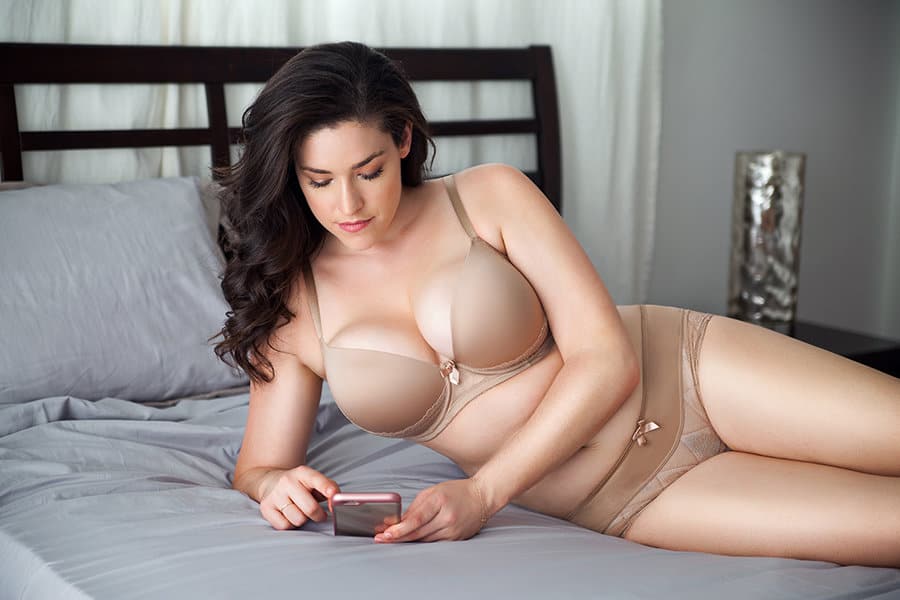
The Padding Myth: Not All Padding Adds Size
There’s a persistent conflation in the way lingerie is talked about: padding equals added cup size. It’s an understandable assumption — push-up bras are padded, and they exist specifically to make the bust appear larger. But padding is a construction technique that serves several distinct purposes, and adding volume is only one of them.
Padding can also be used to create smooth surfaces, to provide structure to a cup that would otherwise be floppy, to eliminate nipple show-through, to give the cup a defined shape so it doesn’t collapse against itself in a drawer, and to provide light projection control. In most of these uses, padding has nothing to do with making the bust look bigger — it’s doing a structural or functional job that would otherwise require a different construction approach.
Once you understand this distinction, shopping for padded bras becomes a much more precise exercise. The question isn’t “does this bra have padding?” but rather “what is the padding doing, and will it add apparent volume or shape without size?”
How Padding Is Used for Shape vs. Volume
Volume-adding padding is thick, foam-filled, and often angled or contoured to push breast tissue upward and outward from the bottom of the cup. This is the padding in a push-up bra. It sits at the base and inner edge of the cup and physically moves tissue in a direction — creating the appearance of more projection and more cup size than the natural breast provides. The foam is usually firm, thick (sometimes an inch or more at the thickest point), and wedge-shaped.
Shape-creating padding is thin, even, and consistent across the cup surface. Its purpose is to give the cup a defined profile — a smooth, round outer surface — without pushing the breast in any direction. The cup holds its shape on a hanger the same way it does on the body, but it’s doing that through structure, not through moving tissue. This kind of padding adds perhaps a few millimeters of cup profile, not a full cup size of volume.
Between these two poles, there’s a range. Lightly padded cups — sometimes described as “light padding,” “soft padding,” or a very thin foam layer — add minimal volume and are primarily concerned with smooth surface texture and nipple coverage. Spacer fabric cups use a construction that creates a defined cup shape without traditional foam padding at all (more on this below). And unlined cups with structured underwiring use the wire and seaming to create shape without any padding.
The key question to ask of any padded bra: is the padding adding projection, or is it adding surface quality and cup definition? The former adds apparent size; the latter adds wearability without changing how much space the bust takes up.
What the Label Terms Actually Mean
Product descriptions use several terms in this space that can be confusing without context.
“Lightly padded” or “softly padded”: A thin layer of foam or fiberfill that smooths the cup surface and adds slight warmth and nipple coverage. Adds minimal visible volume. Typically one step up from fully unlined in terms of cup definition, without the thickness or angling of a push-up pad.
“Contour cup” or “molded cup”: A cup pre-formed to a breast shape by heat-molding foam. Holds its shape independently of the breast inside it. This adds defined shape (the cup looks the same empty as full) but the thickness is usually even and moderate — adding structure and smooth surface without dramatic volume increase.
“Push-up” or “plunge push-up”: Specifically indicates volume-adding padding with angled inserts designed to push tissue together and upward. This does add apparent cup size.
“Unlined” or “non-padded”: No foam layer at all. The cup is fabric only — lace, mesh, microfiber, or other textiles directly against the skin. These bras shape through seaming, underwire placement, and cup construction, not padding.
“Spacer” or “spacer foam”: A specific 3D fabric construction (not traditional foam) that creates a structured cup surface. Worth a separate explanation below.
“Minimizer”: Designed to redistribute breast tissue to reduce forward projection and apparent cup size. Despite sometimes using padding, the goal is reduction of apparent volume, not increase.
The Spacer Fabric Difference
Spacer fabric deserves its own discussion because it’s one of the best examples of padding technology that creates shape without adding volume.
Spacer fabric is a technical textile with a three-dimensional structure: two outer fabric layers connected by a thin mesh core that holds them apart. This creates a lightweight, breathable, structured material that maintains a cup shape without using traditional dense foam. The “spacing” between the layers is usually just a few millimeters — enough to give the cup a defined, smooth surface but not enough to add visible cup volume to the wearer.
The benefits for shape-without-volume dressing are significant. Spacer cups are highly breathable (the mesh core allows air circulation between the layers, making them cooler to wear than foam-lined cups). They hold their shape well over time and after washing. They provide a clean, smooth surface under clothing — the primary goal of a T-shirt bra — without adding projection.
Spacer cups feel lighter than foam cups because they are literally lighter — less material, more air. For women who find foam cups hot or heavy, this is a meaningful quality difference. And for women who want the smooth, structured look of a T-shirt bra without the added-size effect of a foam cup, spacer construction is the specific answer to that specific need.
Parfait Styles That Shape Without Adding Volume
Parfait’s range includes specific examples of each padding approach — from spacer construction to lightly contoured cups — and understanding which does what helps you choose intentionally.
The Bliss Padded T-Shirt Bra (P7000) uses spacer construction — the breathable, three-dimensional fabric technology described above. The spacer cup gives the bra a smooth, defined profile without the weight or additional projection of foam padding. For everyday T-shirt bra wear where you want a clean look without added volume, this is the construction to reach for.
The Shea T-Shirt Bra (P6061) also uses spacer fabric, bringing the same breathable, shape-without-volume construction to a different silhouette. The Shea is specifically built for the T-shirt bra use case — invisible under clothing, comfortable all day, structured enough to eliminate nipple show-through — without adding cup projection. For women in fuller cup sizes who want the practical performance of a T-shirt bra without the pushed-forward effect of foam, both the Bliss and the Shea are designed around this exact requirement.
The Casey Plunge T-Shirt Bra (2801) uses a molded cup construction. Molded cups create a defined shape through the cup’s pre-formed structure, and the Parfait version is designed to provide that smooth T-shirt bra surface without excessive padding depth. The plunge construction also means a lower center front — useful if you want to wear it under V-neck or open-neckline tops.
The Emily Unlined T-Shirt Bra (P7800) takes the concept to its logical conclusion: a T-shirt bra with no lining, creating shape entirely through seaming and underwire without any padding at all. For women who find that any foam or lining adds more cup presence than they want, an unlined T-shirt bra — when the seaming and wire placement are right — provides a natural shape that follows the breast without amplifying it.
For women specifically seeking to reduce the appearance of cup volume, the Pearl Minimizer Bra (P60921) uses seamless construction to redistribute and contain tissue with a smooth outer profile. Minimizer construction is the most active form of shape-without-volume engineering: it uses the cup structure to create a profile that appears smaller than the natural bust while still providing full support and coverage.
How to Try a Padded Bra Without Getting the Wrong Effect
When trying a new padded or lightly padded bra, the key test is not whether the cups look great on the hanger but whether the shape it creates on your body matches your intention.
Building a Wardrobe Around Shape-Not-Volume Bras
Once you’ve identified what type of padding works for your goals, building a small collection around that understanding makes getting dressed simpler.
A spacer T-shirt bra (like the Bliss or Shea) is the workhorse for everyday wear under fitted tops. Its breathability makes it comfortable through long days; its smooth surface makes it genuinely invisible under most fabrics.
A plunge-molded option (like the Casey) for specific necklines and occasions where you need a clean front without padding adding projection.
These four styles cover the full range from natural-shape to controlled-shape, all without volume addition. The result is a bra wardrobe that lets you dress intentionally every day, with undergarments that work with your clothing rather than changing the silhouette you’re trying to create.
All of these styles are available in Parfait’s fuller-bust range — bands 28—42, cups C—K — at parfaitlingerie.com. Use the Fit Fix sizing tool to confirm your measurements and find the right starting point for each style.


