
Fashion-Forward Prints in Plunge Bras for Larger Sizes: What’s Out There and How to Wear Them
Why Prints in Larger Cup Sizes Are So Hard to Find
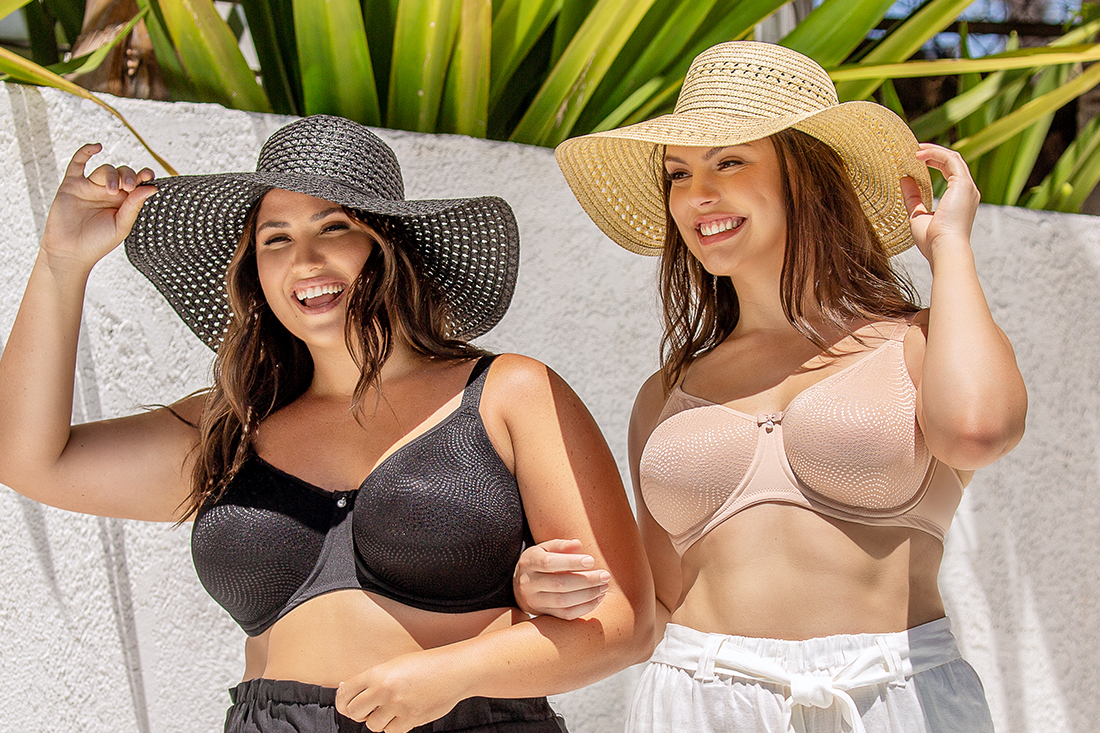
If you’ve ever searched for a printed plunge bra in a D cup or above, you already know the frustration. Most brands offer their boldest patterns in a narrow band of sizes — typically A through C — and if you wear a DD or larger, you’re handed one sad floral option, if anything at all. This isn’t a new problem, and it isn’t your imagination. The intimates industry has historically treated larger cup sizes as a specialty market rather than a mainstream one, and print availability reflects that. While straight-size ranges bloom with stripes, florals, animal prints, and color-blocked designs every season, extended-cup offerings lean heavily on solid neutrals: nude, black, and the occasional deep plum if you’re lucky.
The Production Challenge Behind Patterned Bras
How to Find What’s Actually Available in Your Size
The first step is to filter honestly. Most brand websites let you filter by size before browsing, so use that feature before you fall in love with a print that doesn’t come in your measurements. Go directly to the size filter rather than browsing by style and hoping.
Second, check colorway variety as a proxy for design commitment. Brands that offer multiple colorways per style — including patterns and prints — are demonstrating a real investment in the look of the bra, not just the function. A bra that comes in six colorways, including two prints, is a brand that’s put thought into the visual range.
Third, look for seasonal collections specifically. Some brands do printed bras as limi
Parfait Plunge Styles and Colorway Variety
Parfait approaches colorways seriously across its plunge range, offering styles in multiple options rather than limiting larger cups to a single “safe” neutral. The Shea Plunge Bra (P6062) is an unlined plunge in a delicate lace construction that brings visual texture in a way that prints do — the fabric itself has pattern. Available in a range of colorways, it’s the kind of bra you might intentionally let peek through a neckline.
The Olivia Plunge Bra (P4000) offers an elegant unlined plunge profile with enough cup structure to work in larger sizes while maintaining a low center gore — ideal for plunge-friendly styling. Its range of available shades makes it a solid base for color-intentional dressing.
For those who want balconette-adjacent structure with plunge-style front appeal, the Charlene Balconette Bra (P5000) provides excellent lift and shape. Parfait’s commitment to the fuller bust range — bands 28—42, cups C—K — means these styles are engineered to actually perform in extended sizes, not just listed as available.
For a longer silhouette, the Pearl Longline Plunge Bra (P6091) adds a banded lower section that extends beneath the cups. This longer format creates a distinctly different visual effect — more structured, more fashion-forward — and works particularly well as a layering piece under open tops. A longline in a striking colorway or with lace detailing functions like a fashion garment rather than simply underwear.
Parfait’s sizing range means these aren’t token offerings. The brand has been a fuller-bust specialist since 2010, with 95 of its 105 bra styles available in DD and above. That commitment translates directly into print and colorway availability — you’re not choosing from the leftovers.
Building a Print Bra Into Your Wardrobe
The most useful way to think about a printed or patterned bra is as a wardrobe neutral in its own category. Just as you might have a black bra for dark tops, a nude bra for light ones, and a white bra for specific occasions, a print bra serves a specific styling function: it’s the one you wear when you want the bra to be part of the outfit.
Start with a print that works with what you already own. If your wardrobe is heavy on solid neutrals, almost any print will complement it. If you wear a lot of prints in your outer clothing, a bra with a contrasting texture (like the lace on the Shea) rather than an all-over pattern tends to work better — it adds visual interest without competing with your clothes.
Why Your Bra Doesn’t Have to Be Invisible
There’s a persistent cultural idea that a bra should be invisible — that its presence is somehow a mistake if it shows. That idea has been quietly dismantled by years of fashion that treats the bra as a garment in its own right. Visible bra straps became acceptable, then cool, then expected. Bralettes worn as tops became a mainstream look. Printed bras peeking from necklines became a considered styling choice rather than a wardrobe malfunction.
For women in larger cup sizes, this shift matters in a particular way. For decades, larger-cup bras were designed to disappear — functional, structured, beige. The idea that a bra in a 36H could be something you deliberately display is relatively new, and it’s worth embracing.
A print bra in a size that actually fits you well — structured enough to provide real support, cut beautifully enough to be worth showing — is not a compromise. It’s exactly what lingerie should be: something that makes you feel good, that fits your body, and that you chose because you wanted it. The Parfait range, anchored in fuller-bust expertise and available through parfaitlingerie.com, offers a starting point for finding that. Use the Fit Fix sizing tool to confirm your measurements before you shop — getting the band and cup right is always the first step.
ted seasonal drops rather than core range items. If you find a printed option you love in your size, consider acting on it — they often don’t restock in the same colorway.
Finally, don’t overlook the difference between an all-over print and a fabric with texture or jacquard pattern. Jacquard fabrics have a woven pattern rather than a printed one, which means they don’t have the alignment problem and are often available in wider size ranges. They can be equally striking.
Using Prints Intentionally: Style Strategies That Work
Once you find a printed plunge bra in your size, the styling question shifts: how do you wear it? The answer depends on how visible you want it to be.
The peek-a-boo approach works beautifully with printed bras. A deep V-neck or wrap top that lets the top edge of a patterned bra show turns the bra into a deliberate style statement rather than something hidden. This works especially well with plunge styles because the center gore sits low, meaning what shows is mostly the fabric of the cup — exactly where a print has the most impact.
Layering under a sheer top is another strong move. A printed bra under a sheer or semi-sheer blouse creates a layered look where the bra is a visible design element. This works particularly well with florals or small geometric prints that read clearly through a layer of fabric.
The statement-under-blazer look has become genuinely mainstream: an open blazer over a printed bra with high-waisted trousers. At larger cup sizes, a well-fitted plunge bra under a blazer often looks more polished than the equivalent look with a smaller cup, because there’s more surface area of the bra visible and the structure of a well-supported bust provides a clean foundation.
To understand why prints are rarer in larger cups, it helps to understand how bras are cut and graded. A bra in a 28C and a bra in a 40H are not simply the same pattern scaled up. Cup pieces are three-dimensional shapes engineered to a specific volume and projection. As cup size increases, each panel gets larger — sometimes dramatically so — and that changes how a pattern on the fabric lands.
Prints create a matching challenge that plain fabrics don’t. When you’re cutting multiple cup panels from printed fabric, you typically want the pattern to align at the seams — or at minimum, to look intentional rather than chaotic. At larger cup volumes, the fabric panels are bigger and the matching becomes harder to control. Some prints simply won’t tile correctly across a larger cup surface. Stripes that look perfectly aligned on a B cup may run at a slight angle on an H cup if the panel geometry shifts.
There’s also a cost factor. Printed fabrics often need to be purchased in larger quantities to get cost-effective pricing, and if the print is being developed specifically for a bra collection, the design investment is multiplied across fewer units when only smaller sizes sell. Brands producing prints in DD+ cups are taking on more technical and financial risk. That’s not an excuse — it’s context. And it explains why the brands that do get print right in larger sizes deserve recognition.


