
Are There Fit Guides for Tall Roots Versus Short Roots?
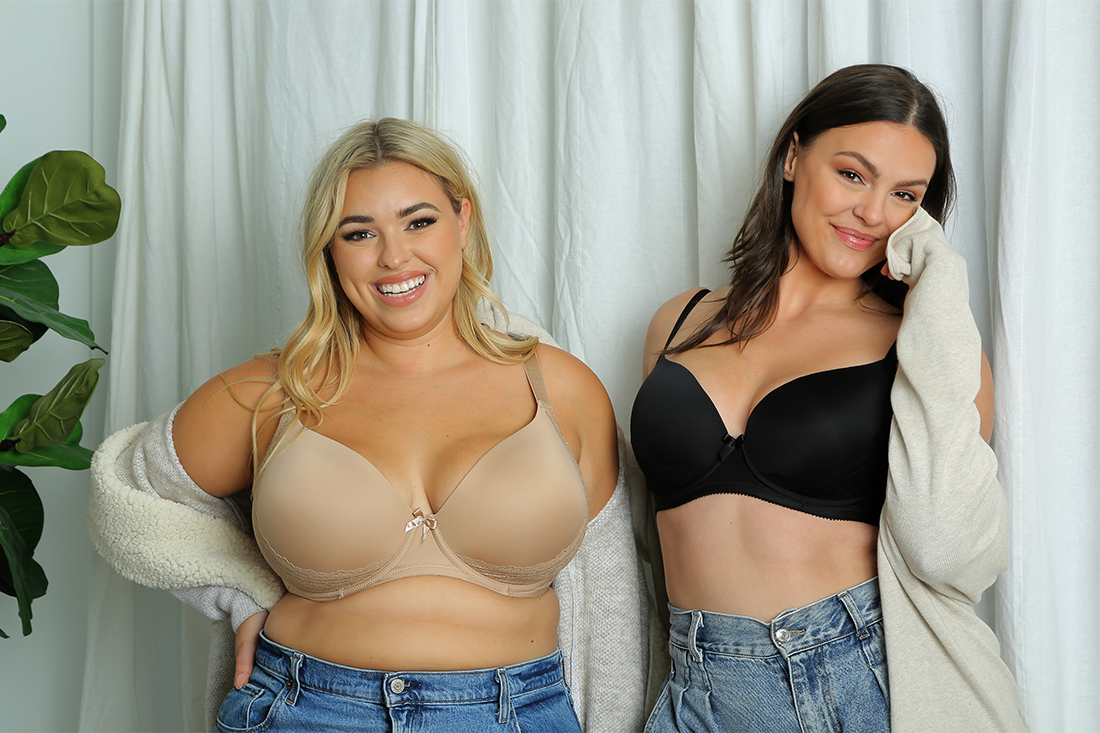
Quick answer: Yes, fit guides for tall roots and short roots exist, but many brands do not label bras that way on product pages. Root height describes how high your breast tissue begins on the chest. Tall roots often need cups that can accommodate tissue higher up. Short roots often do better with cups that do not leave empty space at the top.
Because Parfait product pages focus more on style features than root-height labels, use root height as a shopping lens rather than a filter. Start with accurate measurements, then compare neckline, cup height, cup construction, and whether the style is plunge, balconette, longline, padded, or unlined.
How to tell if you have tall or short roots
Tall roots can look like fullness continues higher on the chest, even when the bust is not especially full on top. If cups often cut into the upper breast or create a line across the top, the cup may be too closed or too short for your shape.
Short roots can look like the breast tissue starts lower on the chest. If full-coverage cups gape at the top even when the wire and band feel right, the cup may be too tall or too open for your shape.
How to shop with root height in mind
First, confirm size with a measurement tool such as Parfait’s Bra Size Calculator. Root height does not replace size. It explains why two bras in the same size can fit very differently.
For shorter roots, lower necklines can sometimes reduce top-cup gaping. Parfait’s Casey 2801 is a wired padded plunge seamless T-shirt bra with a deep plunge neckline, seamless light foam cups, and a lace side sling that lifts and shapes. That kind of lower neckline can be useful to compare if tall cups tend to gap.
For fuller bust support or when you need more structure, compare styles with three-part cups, side slings, or longline bands. Parfait’s Charlotte Longline 6977 uses three-part cups, a side sling, lightly padded foam cups, a powermesh back, and a longline band for lift, shape, smoothing, and support.
Fit takeaway
A root-height guide is useful because it helps explain recurring fit issues. If cups cut in at the top, try a more open or taller cup. If cups gape at the top, try a lower or less tall shape. Use product features as clues, then let comfort and cup behavior confirm the answer.


