Bralettes That Support DD+ Without Straps That Dig In

A fuller bust puts real weight on two thin strips of fabric, and when a bralette isn’t built to handle that load, the straps are the first thing to suffer. Red grooves in the shoulders by lunchtime, constant tugging to keep straps in place, and that nagging ache at the top of the shoulder are all signs the bralette wasn’t engineered for the size it’s holding. The good news is that digging straps aren’t an inevitable price of a fuller bust. It comes down to how the weight is distributed through the band, the hook, and the strap itself, and there are bralettes specifically built to spread that load so the shoulders aren’t doing all the work.
Why Straps Dig In on a Fuller Bust
Straps dig in when they’re forced to carry more weight than they’re designed for, which happens often when a bralette meant for a smaller cup size is simply sized up without changing its construction. Thin, unpadded straps concentrate all that pressure into a narrow line across the shoulder, and over the course of a day that pressure turns into soreness and visible marks. The band is supposed to carry the majority of a bra’s support, roughly eighty percent in a well-fitted style, but if the band is too loose or not structured enough, the straps end up compensating and take on weight they were never meant to carry. Fixing dig-in starts with looking at the whole bralette, not just the strap width.
Wide, Cushioned Straps That Spread the Load
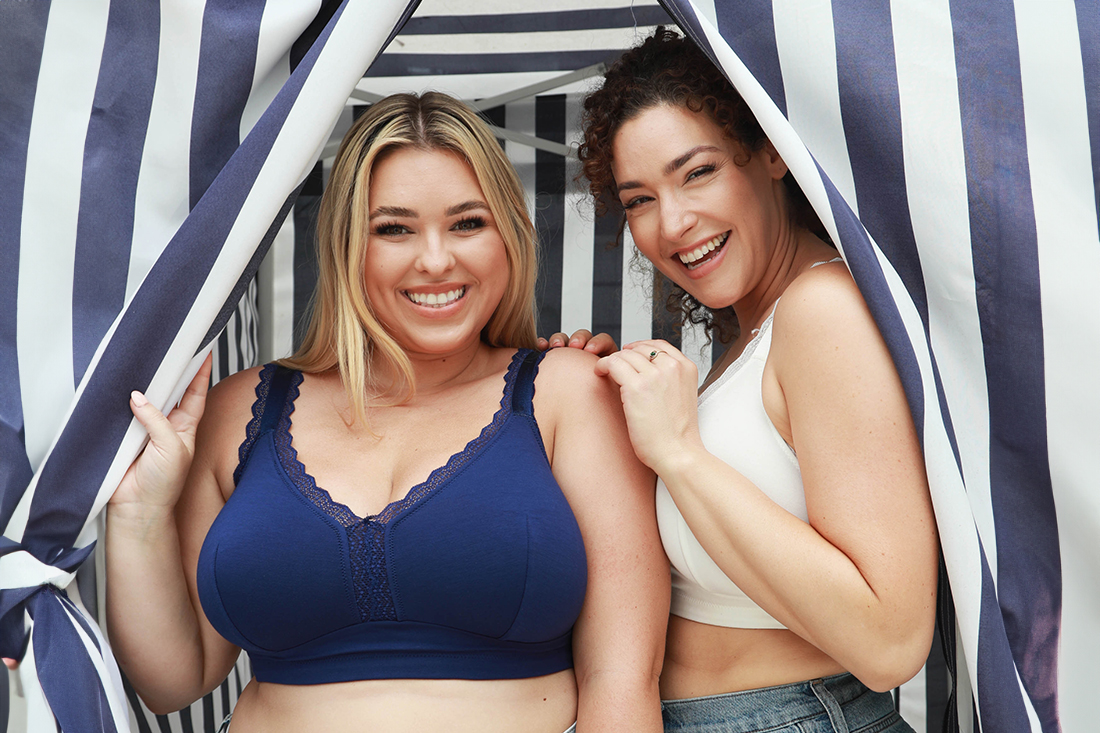
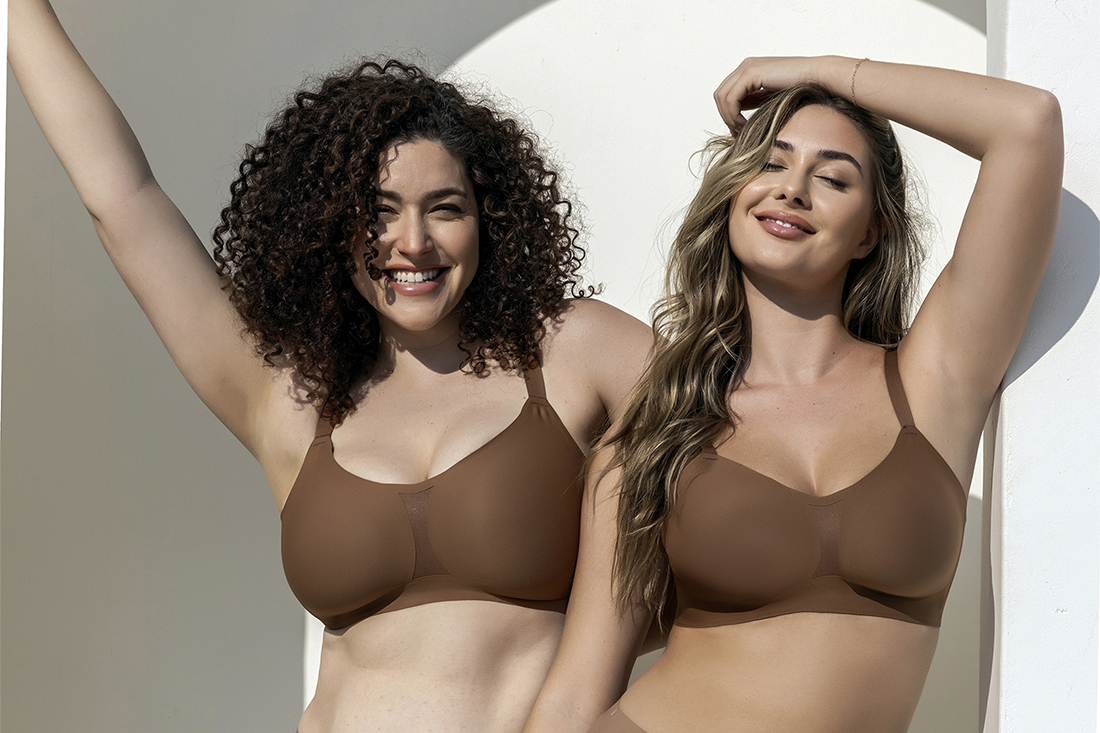
The simplest fix for shoulder dig-in is a wider strap, since spreading the same amount of weight over more surface area reduces the pressure at any single point. The Erika Wire-Free Full Bust Bralette is built with full-bust support in mind, including removable padded foam cups that let you fine-tune fit and weight distribution rather than forcing the straps to make up the difference. The Mia Wire-Free Full Bust Padded Bralette pairs adjustable straps with a longline back, which extends the supportive structure further down the ribcage so the straps aren’t the only thing anchoring the cups in place. Adjustability matters too, since a strap that’s been tightened correctly sits closer to the body and distributes weight more evenly than one left too loose.
How the Band Takes Pressure Off the Shoulders
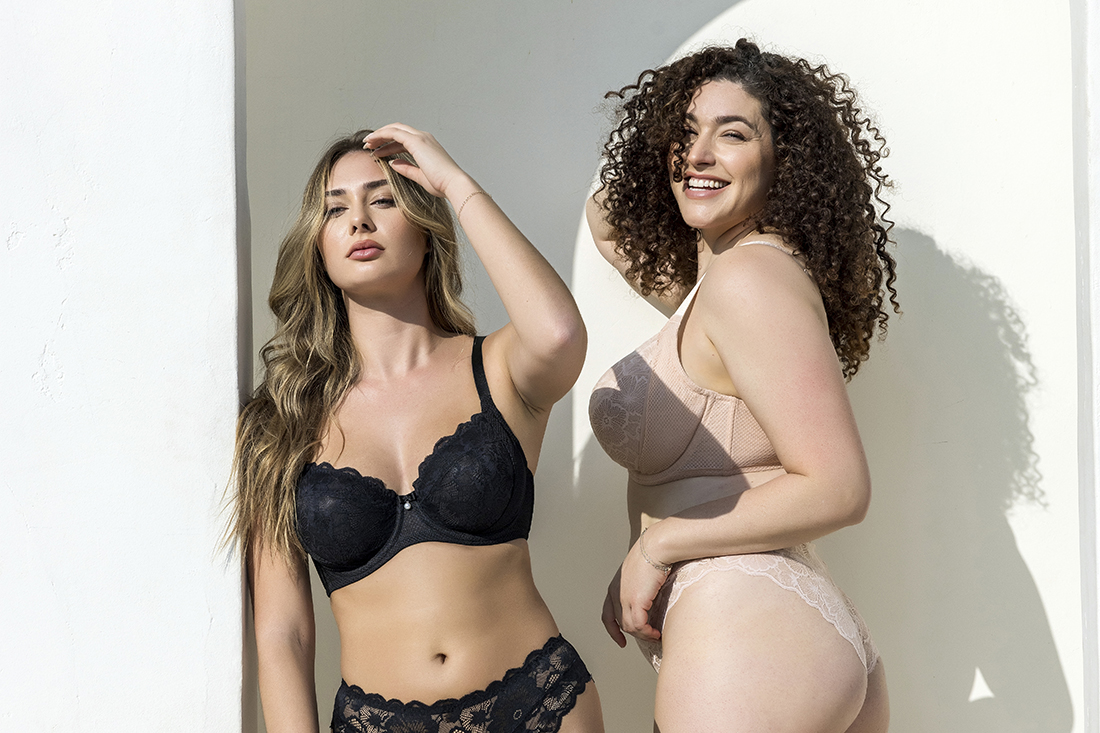
A supportive band is the real key to comfortable straps, because a band that fits snugly and sits level all the way around does most of the work of holding the bust in place. The Adriana Wire-Free Full Bust Lace Bralette has a smooth, structured elastic band along with flexible side boning, both of which help the band stay put and carry its share of the load instead of letting everything ride up onto the straps. The Dalis Wire-Free Full Bust Bralette uses that same structured approach with flexible side boning, built specifically for full-busted and full-figured wearers who need a band that won’t give up under weight it’s supposed to be carrying. When the band is doing its job, the straps only need to hold things in position rather than bear the brunt of the weight.
The Role of the J-Hook in Distributing Weight
Both the Adriana and the Dalis feature a convertible racerback J-hook, a small design detail that makes a meaningful difference for a fuller bust. Converting the straps into a racerback configuration pulls them closer together at the back, which changes the angle of pull across the shoulder and can relieve pressure that builds up when straps sit further apart in a traditional configuration. This is especially useful for anyone who finds that straight-back straps slide off the shoulder throughout the day, since a racerback setting keeps them anchored in place without needing to be cinched uncomfortably tight. It’s a simple hook-and-strap adjustment, but it changes how the weight actually travels across the upper body. For anyone who has only ever worn traditional straight-back straps, switching to a racerback setting can feel like a completely different bralette, simply because the pull is coming from a more stable direction.
Fit Checks That Prevent Dig-In Before It Starts
Even the best-engineered bralette will dig in if it’s the wrong size, so getting an accurate fit matters as much as the construction itself. A band that’s too small will ride up in the back and shift extra weight onto the straps, while a cup that’s too small can cause spillage that puts uneven pressure across the strap line. Parfait lists both US and UK sizing on every product page, covering bands from 30 to 42 and cups up to a K, and the Fit Room fit-finder tool can help narrow down the right combination if you’re unsure where you land. A properly fitted band and cup take pressure off the straps before you even adjust anything else. It’s also worth rechecking your size periodically, since weight fluctuations, hormonal changes, and even the natural stretch of a well-worn bralette can shift what used to be a perfect fit into one that’s suddenly putting more strain on the straps than it should.
Small Daily Adjustments That Make a Real Difference
Beyond the bralette itself, a few small habits help keep straps comfortable through a full day of wear. Check strap tightness in the morning after you’ve put the bralette on and moved around a bit, since straps often need to be readjusted once everything settles into place. If you’re switching between the Erika’s removable cups or trying the Mia’s longline back for the first time, give yourself a few wears to notice where pressure builds so you can fine-tune the fit accordingly. Alternating between two or three well-fitted bralettes across the week, rather than relying on a single stretched-out favorite, also helps each one keep its shape and continue distributing weight the way it was designed to.
The Bottom Line
Digging straps are a fit and construction issue, not an unavoidable part of having a fuller bust. Wide, adjustable straps, a structured band, and details like a convertible J-hook all work together to move weight off the shoulders and distribute it where the bralette can actually handle it. Styles like the Erika, Mia, Adriana, and Dalis are built with that full-bust reality in mind from the start, rather than as a stretched version of a smaller design. Get the band and cup sized correctly, and the right bralette should feel supportive all day without leaving a mark behind.