Bralettes With Wide Underbands That Stay Put Instead of Rolling
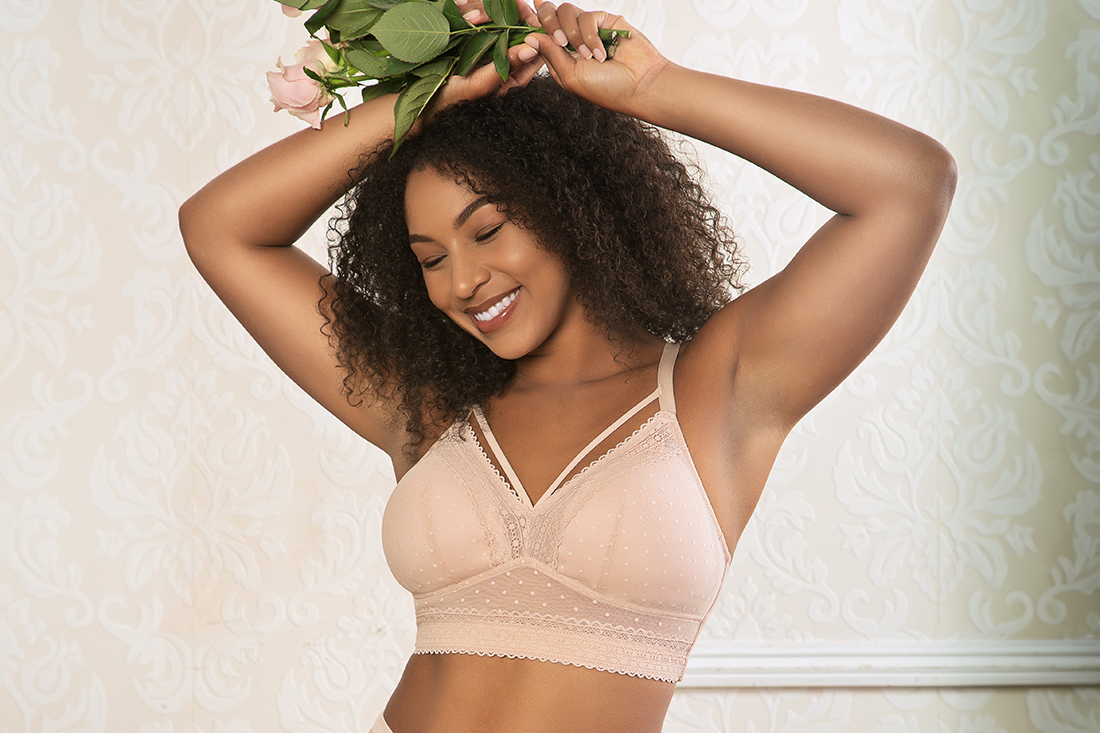
A rolling underband is one of the most common reasons a bralette gets pushed to the back of the drawer after just a few wears. It starts out flat, then twists into a tight cord under the bust by midday, digging in and undoing whatever comfort the bralette promised in the first place. The underlying cause is almost always the same: a narrow, unstructured band with too little to hold its shape once body heat and movement come into play. Widening and structuring that band solves the problem at the source, and a handful of full-bust bralettes are built with exactly that in mind. Here is what makes a band roll-resistant, and which styles get it right.
Why Narrow Bands Roll in the First Place
A narrow elastic band has very little surface area in contact with the body, so as soon as it stretches slightly or the wearer moves, it has nothing to anchor it flat against the ribcage. Once one small section starts to fold over, the rest of the band tends to follow, twisting into a rope-like cord that digs into skin instead of sitting smoothly. This is especially common on bralettes designed for smaller, lighter busts, where the band was never asked to do much work in the first place. On a fuller bust, the band has to counteract more downward pull, which makes a narrow, flimsy underband roll even faster. The fix is not a tighter band, which just increases discomfort, but a wider, more structured one that resists folding in the first place. It also helps to remember that a band doing its job correctly should provide most of the support on its own, so a band that only feels secure once it is cinched tight is usually too narrow or too worn out for the job, regardless of how the straps are adjusted.
The Mia’s Longline Back: More Surface, More Stability
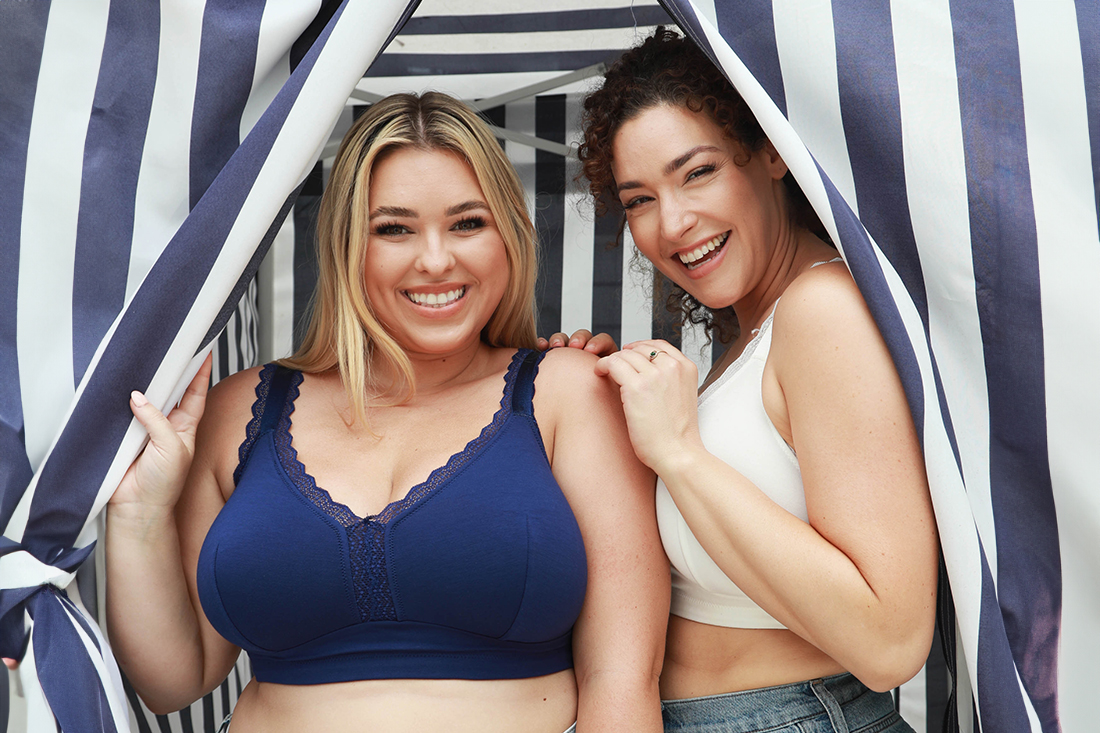
The Mia Wire-Free Full Bust Padded Bralette takes a different approach than a standard band by extending the back into a longline shape, which spreads support across a much larger area of the ribcage. Because there is simply more fabric in contact with the body, there is less opportunity for any single section to twist or fold over during the day. The longline back also distributes tension more evenly than a thin band would, so it tends to feel secure without needing to be pulled tight. Add in adjustable straps and reversible padded cups, and the Mia ends up feeling more like a smoothing layer than a typical bralette band, which is exactly why it holds its shape through a full day of wear.
Structured Elastic in the Adriana and Dalis
Not every roll-resistant band needs to be longline to work well. The Adriana Wire-Free Full Bust Lace Bralette and the Dalis Wire-Free Full Bust Bralette both use a smooth, structured elastic band paired with flexible side boning along the sides of the cup. That side boning does double duty: it keeps the cup itself from collapsing, and it also braces the transition point between cup and band, which is often where rolling starts. Both styles include a convertible racerback J-hook as well, giving you a second way to redistribute tension if the band still feels like it wants to shift, by changing the angle the straps pull from rather than tightening the band itself.
How Band Width Interacts With Band Size
A wide band only helps if it is also sized correctly, since a wide band that is too loose can still fold over, just more slowly than a narrow one would. Parfait’s full-bust bralettes run across bands from 30 to 42, and every product page lists both US and UK sizing, which is worth checking carefully since a band that runs even slightly loose will eventually roll no matter how much structure is built into it. A properly fitted band should sit snugly and level all the way around, not just at the front, and should not need to be pulled to the tightest hook to feel secure. If your band still shifts on the loosest hook setting, it is usually a sign to size down rather than tighten further. It is also worth rechecking your band size periodically, since weight fluctuations, seasonal changes, and simple wear on the elastic over months of use can all shift what used to be a snug, roll-resistant fit into one that has gone slightly loose.
Fabric Choice Matters as Much as Width
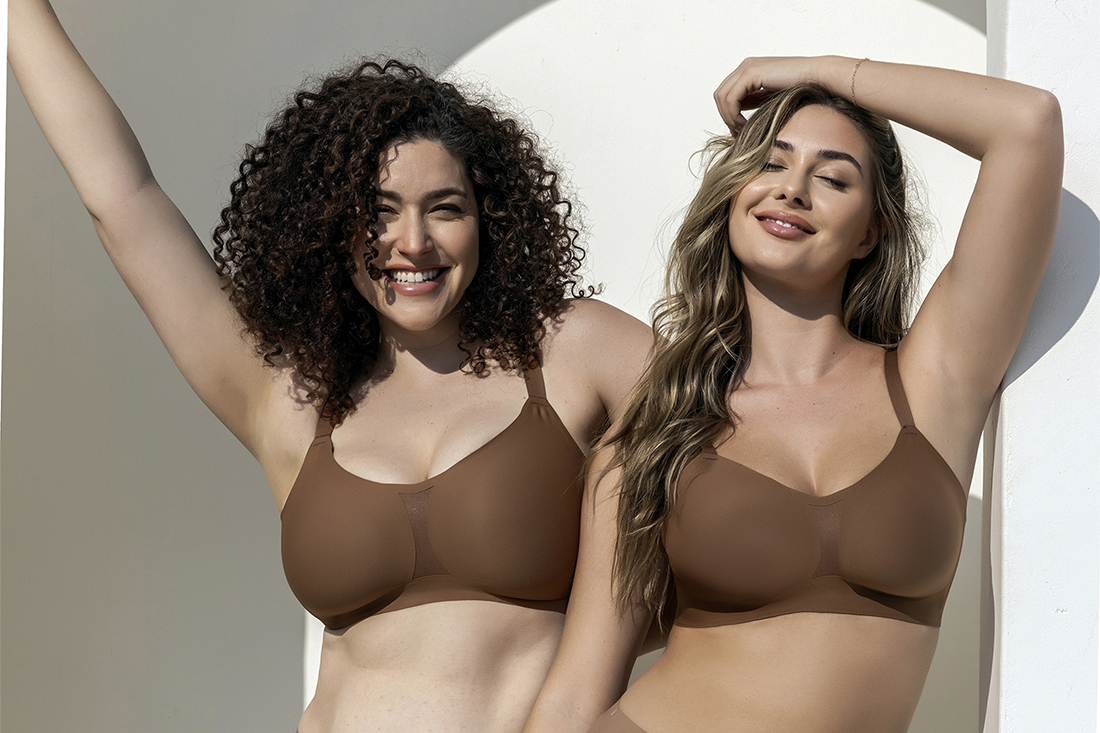
Width and structure solve most rolling issues, but the fabric itself plays a role too. The Dalis bralette uses a soft modal fabric that has a bit more grip and body than a slippery synthetic blend, which helps the band stay put against skin rather than sliding into a fold. Seamless construction, like the smooth band on the Erika Wire-Free Full Bust Bralette, also reduces rolling because there are fewer seams and edges that can catch and start the twisting process. When you are comparing bralettes for band stability, run a hand along the underband and notice whether it feels smooth and substantial or thin and slippery, since that quick check tells you a lot about how it will behave after a few hours of wear.
Getting the Fit Confirmed Before You Buy
Because band fit is so central to whether a bralette rolls, it is worth using a proper fit reference before choosing a size, especially if you are new to a full-bust style. The Fit Room fit-finder tool walks through band snugness and cup fit in a way that is more reliable than guessing from a size chart alone. If you have previously worn UK-labeled sizing, remember that a UK 34GG converts to a US 34J, so cross-checking both numbers on a Parfait product page helps you land on the correct band the first time rather than needing an exchange after a day of testing whether the band rolls.
The Bottom Line
A bralette that rolls under the bust is almost always a band problem, not a size-of-bust problem, and it is fixable by choosing a style built with width and structure in mind. The Mia’s longline back spreads support across more surface area, while the Adriana and Dalis use structured elastic and side boning to brace the band at the point where rolling typically begins. Combine the right style with a correctly fitted band, confirmed through both US and UK sizing, and a rolling underband becomes a problem you simply do not have to deal with anymore.