
Maternity Bralettes That Stretch Through All Three Trimesters
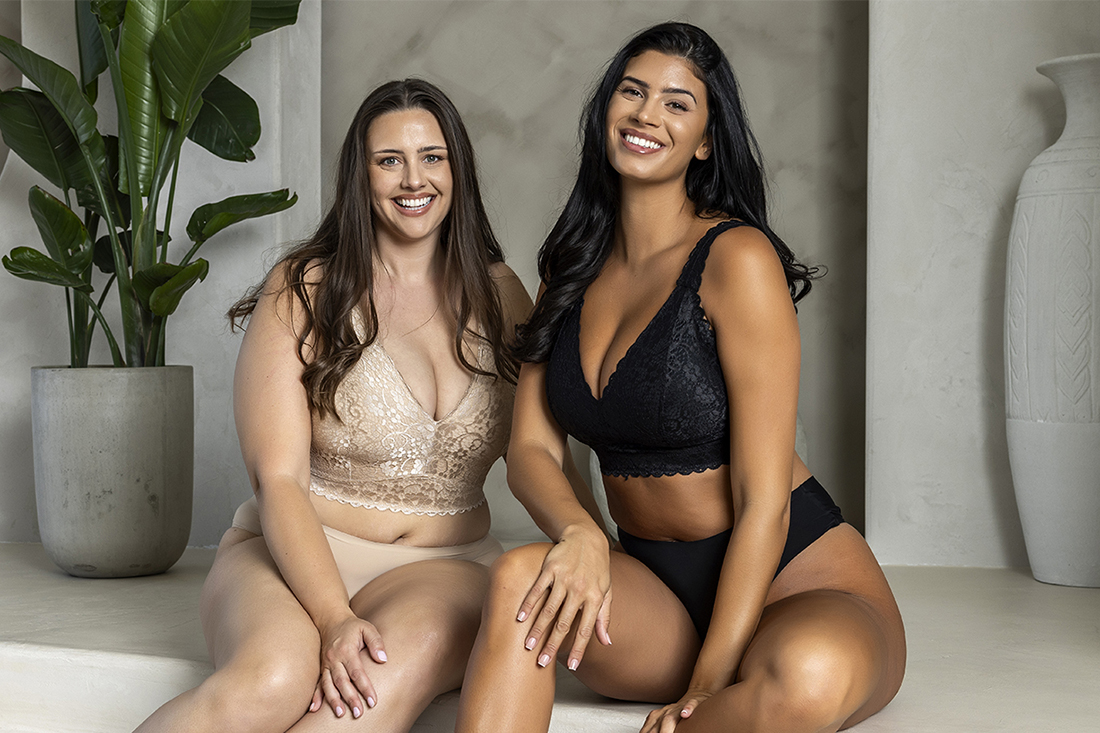
Pregnancy changes your body in ways that happen fast — and nowhere is that more noticeable than in your bra drawer. Cup size can increase by one to three sizes (or more) by the third trimester. Your ribcage expands as your baby grows and your diaphragm shifts upward. Your skin becomes more sensitive, sometimes dramatically so. And by the third trimester, anything with an underwire digging into growing breast tissue is the last thing you want anywhere near your body.
This is why stretchy, wire-free, seamless bralettes have become such a meaningful part of many pregnant women’s wardrobes — not as a replacement for a properly supportive maternity bra for everyday wear, but as a comfortable option for lower-activity hours, lounging, sleeping, and the days when structure just isn’t on the agenda.
This post covers what to look for in a maternity bralette and which Parfait styles are worth your attention across all three trimesters.
What Your Body Is Going Through (And What That Means for Your Bra)
Understanding the changes helps you shop smarter:
First trimester: Breast tenderness is extremely common — hormones are surging and breast tissue is beginning to change. Many women find underwire uncomfortable before they even have a visible bump. Cup size may increase early, sometimes in the first few weeks.
Second trimester: The ribcage begins to expand as the uterus grows upward. Your band size may start to change, not just your cup. This is when a bra with some stretch in the band, or multiple hook adjustments, starts to matter.
Third trimester: The combination of a much larger cup size, a significantly expanded ribcage, and heightened skin sensitivity makes soft, wire-free construction essential for many women. The skin of the breast and torso can be more sensitive to friction and pressure. Rigid, non-stretch fabrics feel constricting. Lightweight, seamless bralettes become genuinely preferred over structured options for casual and at-home wear.
Throughout all of this: Sizes are moving targets. What fits in week 14 may not fit in week 28. Fabrics that stretch generously give you more weeks of comfortable wear per bra — which is part of why stretchy bralettes hold their value longer than rigid styles during pregnancy.
A Practical Note on Measuring During Pregnancy
Measure yourself every 4–6 weeks during pregnancy rather than relying on a single fitting. Your pre-pregnancy size is very likely not accurate past the first trimester. Take a snug (but not compressed) band measurement under the bust and a relaxed measurement over the fullest part of the breast. And when you buy, factor in where you are in your pregnancy: a bralette purchased at 20 weeks should still have growing room for weeks 28–36.
Parfait Bralettes for Maternity Wear
Erika Wire-Free Full Bust Bralette — Bare
The Erika bralette is one of the most pregnancy-kind options in the Parfait lineup. The construction is fully seamless — no interior seam lines pressing against sensitive or growing breast tissue — and entirely wire-free. The fabric is 91% polyester and 9% spandex: smooth, stretchy, and forgiving of size fluctuation. The double-lined cups provide soft coverage without rigid structure. Available in bands 32–40 and cups C–K.
The seamless construction deserves special mention for pregnancy. Sensitive pregnancy skin can react to ordinary bra seams that were fine pre-pregnancy — the smooth interior of the Erika removes this source of friction entirely. It’s also light enough to sleep in if you’re someone who prefers some light support during sleep.
The Bare colorway is a neutral skin tone that layers invisibly under most tops.
Erika Wire-Free Full Bust Bralette — Black
Same seamless, wire-free, stretchy construction as the Bare — just in a versatile black. If you run warmer, prefer darker colors, or simply want a second Erika bralette in rotation (and with how often maternity bras get washed, you will want a second), the black is an equally good choice.
Dalis Wire-Free Full Bust Bralette — Bare
The Dalis uses a soft modal fabric — a material derived from beech tree fibers that feels cotton-like but even softer, with a natural breathability that’s appreciated when pregnancy tends to run warm. Wire-free construction, flexible side boning that adds light structure without hard edges, and a full-bust range of bands 30–42 and cups D–K.
The flexible side boning in the Dalis is worth understanding: it’s not underwire. It’s a lightweight, bendable stay on the side panel that adds shape and keeps the bralette in position without any rigid edge pressing into breast tissue. If you want just a little more structure than a pure soft bralette, the Dalis threads that needle.
The size range — starting at a 30 band and going to a D–K cup — is particularly useful for petite or small-band women who often struggle to find bralettes with cups in their size.
Adriana Wire-Free Full Bust Supportive Bralette — Bare
The Adriana brings a bit more beauty to the lineup — a soft lace construction with wire-free support and flexible side boning for lift without rigid edges. Adjustable straps mean you can fine-tune the fit as your body changes, which is a more useful feature during pregnancy than it sounds: strap length needs change as your bust grows. Available in bands 30–42 and cups D–K.
The soft lace is gentle against skin — not scratchy or stiff. For women who want to feel a little less utilitarian in their maternity bralette, the Adriana does that without sacrificing comfort.
Tips for Making Your Maternity Bralettes Last Longer
Buy bralettes with flexible fabric or extra band hooks so they last more weeks. A bralette purchased in the second trimester should ideally still be comfortable — or adjustable to be comfortable — in the third.
Avoid rigid underwire in the third trimester. Even if you’ve worn underwire comfortably throughout early pregnancy, the third trimester is when most women find it stops working for them. Growing breast tissue and a significantly expanded ribcage make rigid underwire a poor fit. Soft, wire-free options are almost universally preferred in weeks 28 onward.
Wash gently and air-dry. Spandex and stretchy fabrics degrade faster in a hot dryer. Cold wash, gentle cycle, and air-drying preserves stretch and fit — which matters when your bra needs to keep growing with you.
After Birth: Transitioning to Nursing Support
Once your baby arrives and milk comes in, your bra needs change again — quickly. The soft seamless comfort of the Erika bralette transitions naturally into the Erika Wire-Free Nursing Bra, which offers the same seamless, wire-free softness but adds one-hand nursing snap access and an inner sling for proper postpartum support. If the Erika bralette was your favorite through pregnancy, the Erika nursing bra is the natural next step.
Your body just did something extraordinary. Give it the softest, most accommodating layers you can — it’s earned them.


