
Bralettes for Nursing: What Works, What Doesn’t, and What Parfait Recommends
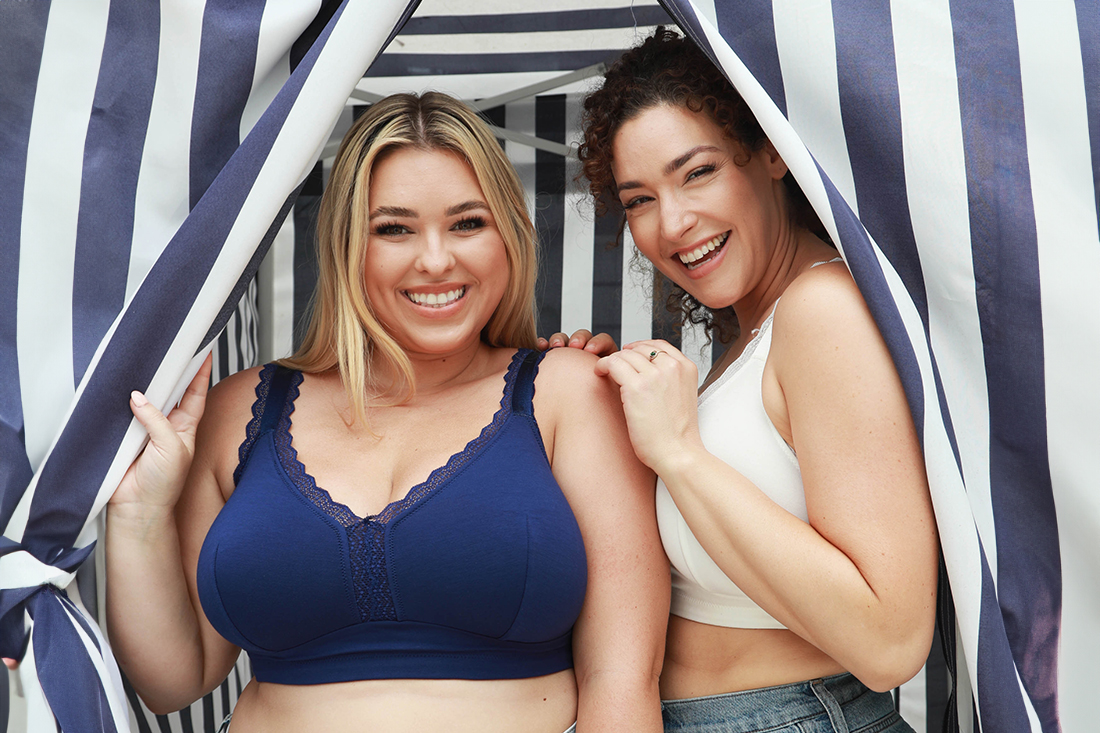
The idea of nursing in a bralette has genuine appeal. They’re soft, they’re comfortable, they don’t have underwire or structure pressing on tender breast tissue — and if the fabric is stretchy enough, the cup can often be pulled aside for nursing access. For at-home use, especially in those early weeks when all you want is something soft against your skin, the bralette-as-nursing-bra idea makes intuitive sense.
Let’s talk honestly about when it works, what features matter, and which Parfait bralettes have the best potential — along with an important note about where they have limits.
The Appeal of Nursing in a Bralette
Here’s what makes a regular bralette attractive for nursing:
Softness and stretch. Well-made bralettes — particularly seamless or modal styles — are often more comfortable against sensitive postpartum skin than structured nursing bras. No rigid seams, no stiff foam cups, nothing pressing in unexpected places.
Pull-aside access. If the cup is stretchy enough and doesn’t have a structured foam insert blocking access, many bralette cups can be gently pulled to the side for nursing. This is informal nursing access — not the clean one-hand snap you get on a dedicated nursing bra, but functional for home use.
No underwire near tender tissue. In the early weeks especially, underwire near engorged breast tissue is genuinely uncomfortable. A wire-free bralette sidesteps this entirely.
Simplicity. For a new mom not leaving the house for a few days, a soft bralette and a good latch is often all that’s needed.
What Features Make a Bralette Work for Nursing?
Not every bralette is suitable. Here’s what to look for if you want to use a bralette informally for nursing:
Stretchy, pliable fabric. The cup needs to move out of the way without fighting you. Rigid, structured foam cups with memory-foam-style padding won’t pull aside easily.
Removable pads. Bralettes with removable padding give you the option to take the pads out and use the softer, unlined cup — this makes pull-aside access much easier and reduces the layers between you and your baby.
Soft, non-irritating fabric against the skin. No rough textures, no lace that scratches — especially against nipple skin that may be sore.
No structured underwire. Underwire near engorged or sensitive breast tissue during early nursing can be uncomfortable and may press on milk ducts.
One important caveat: Bralettes are not designed with nursing in mind. They don’t have nursing snaps, they don’t have purpose-built cup access, and they don’t reliably hold nursing pads in place. For informal home use with an established latch, they can work fine. For anyone who needs reliable, clean, one-handed nursing access — especially early on when latch is still being figured out — a proper nursing bra is genuinely more functional.
Parfait Bralettes Worth Considering
A clear note upfront: none of these are officially designed as nursing bras. Parfait does not currently make dedicated nursing bralettes. The bralettes below are recommendations based on the qualities that make them more nursing-compatible than average — soft fabric, wire-free construction, removable pads, or flexible cups — but they are not nursing products.
Erika Wire-Free Full Bust Bralette — Black
The Erika bralette is fully seamless and wire-free — two of the most important qualities for nursing comfort. The removable padding means you can take the pads out and work with the softer, lighter cup directly, which makes pull-aside access more manageable. The seamless construction means no rough interior seams against sensitive skin. Available in bands 32–40, cups C–K. The black colorway is a versatile choice for layering under everything.
Erika Wire-Free Full Bust Bralette — Bare
The Bare version of the Erika bralette offers everything above in a neutral skin tone that disappears under light tops. Same seamless construction, same removable pads, same wire-free comfort. If your goal is a bralette that feels like almost nothing against your skin — and that doesn’t show under a loose nursing-friendly top — this is the one to try.
Dalis Wire-Free Full Bust Bralette — Bare
The Dalis is made from a soft modal fabric — a material that’s cotton-like in its softness and particularly gentle against sensitive skin. Wire-free construction, flexible fit, and cups that conform to the breast rather than imposing a rigid shape. Available in bands 30–42 and cups D–K. For postpartum skin that’s especially reactive, the modal fabric of the Dalis is worth noting. It’s the bralette that feels like wearing almost nothing.
The Better Option for Actual Nursing
Here’s the redirect, because it’s genuinely important: if you need reliable, functional nursing access — especially in those early weeks when you’re finding your latch and feeding every two to three hours — a proper nursing bra will serve you significantly better than any bralette used informally.
Parfait’s Erika Wire-Free Nursing Bra gives you everything the Erika bralette has — the same seamless construction, the same wire-free comfort, the same soft fabric — but with purpose-built one-hand nursing snap access and an inner sling for proper support. It’s not more restrictive or uncomfortable. It’s just the same comfort, plus the functionality.
If you’re building a postpartum bra wardrobe, the Erika nursing bra should be on the shortlist. The Erika or Dalis bralette can serve as a softer layer for rest days and those quiet at-home moments when you want something minimal — but lean on the nursing bra when precision and ease matter.
The Honest Bottom Line
Parfait bralettes can work for informal nursing at home, and the Erika and Dalis styles in particular have the right qualities to make that possible. Just go in with clear expectations: these are soft, comfortable bralettes that can accommodate pull-aside nursing access, not purpose-designed nursing products. For the full experience — clean snap access, proper support, and nursing-specific design — the Erika nursing bra is the right answer.


