
Comfortable Nursing Bras for Sensitive Nipples and Skin: What to Look For and What Actually Helps
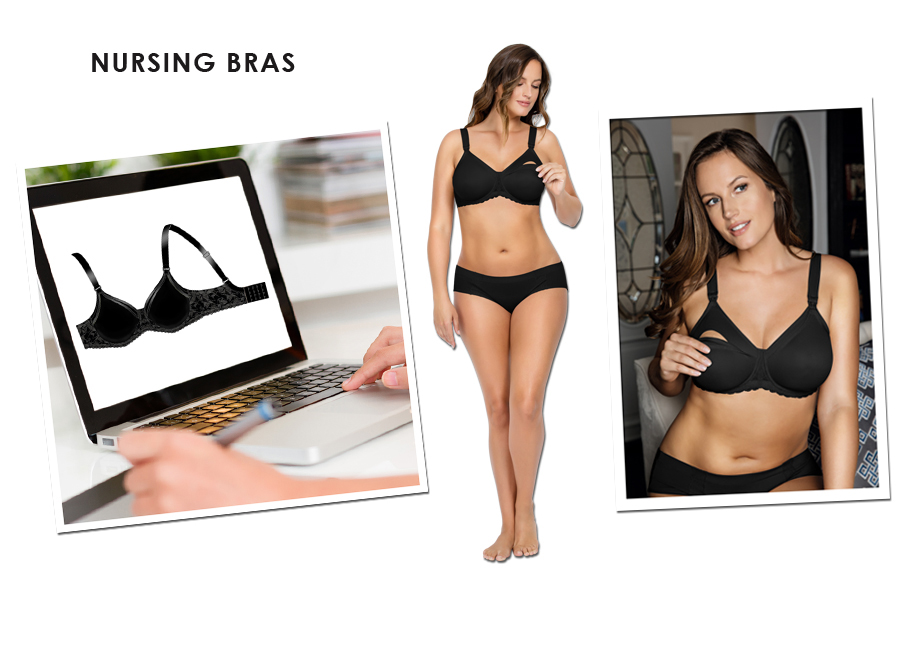
Nobody warns you quite enough about how tender everything gets in those first weeks of breastfeeding. Sore nipples are nearly universal — the latch is new, your body is adjusting, and even the softest fabric can feel like sandpaper against skin that has never been asked to do this before. Add postpartum hormones into the mix, and your skin in general may be more reactive than usual.
Your nursing bra shouldn’t be the thing making this harder. It should be the thing making it easier.
This post is specifically for nursing mothers dealing with sensitive or sore nipples and skin — because the features that matter in a nursing bra for comfort aren’t always the ones that get highlighted first. Let’s talk about what to look for, and which Parfait bras are worth your attention right now.
What Makes a Nursing Bra Gentle on Sensitive Skin?
Before we get to specific recommendations, it helps to understand what you’re actually looking for — because not all nursing bras are created equal when sensitivity is the priority.
No rough interior seams. Seams that sit directly against nipple skin cause friction with every movement. Seamless construction eliminates this completely. This is non-negotiable if you’re sore.
Wire-free (at least during the early weeks). Underwire sits at the base of the breast and along the sides — the exact areas where engorged tissue is most tender during early lactation. Underwire can also put pressure on milk ducts, which risks blockages when your supply is still establishing. Wire-free construction removes this variable entirely. Once engorgement settles down (usually a few weeks in), an underwire option becomes viable again for women who prefer that structure.
Soft, stretch-friendly fabric. Rigid fabrics don’t accommodate the size fluctuation that happens between feeds. A fabric with some spandex content stretches gently with your breast and doesn’t create pressure points.
Easy one-hand nursing access. The less fumbling involved in latching your baby, the better — especially when you’re sore and sleep-deprived. One-hand snap clasps are the gold standard.
Padded or cushioned straps. If your breasts are heavy with milk, thin straps dig into shoulder skin, which adds another layer of discomfort. Padded straps distribute the weight more evenly.
Parfait Nursing Bras for Sensitive Skin
Erika Wire-Free Full Bust Nursing Bra — Bare
This is the bra that sensitive skin calls for. The Erika is completely wire-free, which means there are no hard edges pressing into tender breast tissue — something that matters enormously in those first weeks when engorgement is at its worst and every point of pressure feels magnified. The construction is fully seamless, so there are no interior seam lines against your nipples or breast skin.
The inner sling provides support from within the cup itself rather than relying on underwire — a thoughtful engineering detail that means you’re not choosing between support and comfort. The one-hand nursing snap lets you open the cup with one hand while the other supports your baby, reducing the time your breast is exposed and preventing any awkward tugging near sore tissue. The fabric is 82% polyester and 18% spandex — smooth, stretchy, and gentle. It runs in bands 32–42 and cups D–K, so it’s available in a wide full-bust range.
The Erika Bare is the bra most women in the thick of early breastfeeding will find most comfortable. It does what a nursing bra needs to do, and nothing it does causes additional discomfort.
Erika Wire-Free Full Bust Nursing Bra — Black
The Erika in black offers everything the Bare version does — same wire-free seamless construction, same inner sling, same one-hand snap — just in a versatile dark color. If you run warmer, prefer darker neutrals, or simply want more than one bra in rotation (which, for anyone washing bras every other day, you will), the black is an excellent second.
Leila Underwire Full Bust Nursing Bra — Bare
A note on timing: the Leila is an underwire bra, and for that reason, it’s not the best choice for the very early weeks of nursing when engorgement is active and breast tissue is most tender. However, once your supply regulates — usually around 6–8 weeks postpartum — an underwire can be introduced if you want more structured lift and shaping.
The Leila earns its place here because of how carefully it’s designed. The cups are seamless, so the interior surface against your skin is smooth throughout. The padded straps mean no strap dig even on heavier days. The scalloped lace trim sits flat against the skin rather than scratching — it’s decorative without being abrasive. And the one-hand nursing snap gives quick, controlled access without pulling or fumbling. There’s also a pocket insert for a nursing disk, which keeps accessories in place without rubbing directly against you. It comes in bands 32–44 and cups C–K.
Think of the Leila as the nursing bra you’ll grow into as the most acute phase of early breastfeeding settles down.
Caring for Your Nursing Bras to Protect Sensitive Skin
How you wash your bras matters as much as which bra you choose. A few care habits that will make a real difference:
Wash frequently, but gently. Nursing bras collect milk residue, which can become irritating to skin if left to sit. Washing every one to two days in a gentle, fragrance-free detergent keeps the fabric fresh without harsh buildup.
Skip the fabric softener. This one surprises people, but fabric softener leaves a coating on fibers that can be irritating to sensitive skin — especially nipple skin. It also degrades spandex over time, which shortens the life of the bra’s stretch. Fragrance-free, softener-free detergent is the right choice here.
Air-dry whenever possible. The heat from a dryer degrades elastic and spandex, which means your bra loses its gentle stretch and support faster. Air-drying preserves the fit and keeps the fabric softer longer.
Use nursing pads inside the bra if you’re leaking. Nursing pads create a barrier between your nipple and the bra fabric, which reduces friction against sore skin and protects the bra from milk saturation. Opt for soft, unbleached cotton pads over scratchy disposables if sensitivity is high.
The Bottom Line
Sensitive nipples and skin are a near-universal part of early breastfeeding. The right nursing bra won’t eliminate the discomfort — only time, a good latch, and rest can fully do that — but it absolutely can avoid adding to it. A seamless, wire-free option like the Erika removes every unnecessary source of friction and pressure, and that’s exactly what your body needs right now.
Be gentle with yourself. This phase is temporary, and you’re doing brilliantly.


